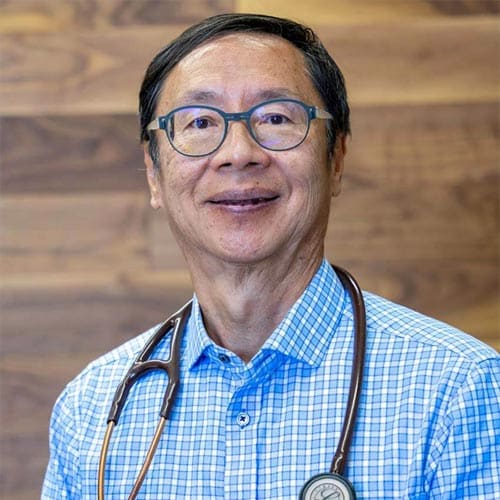
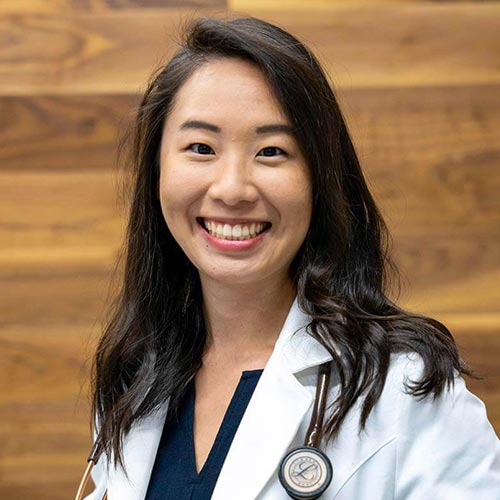
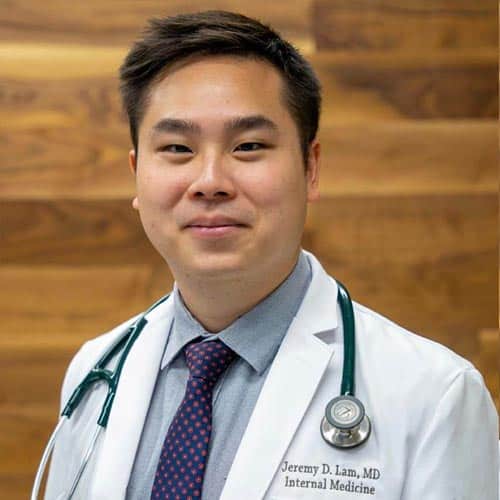
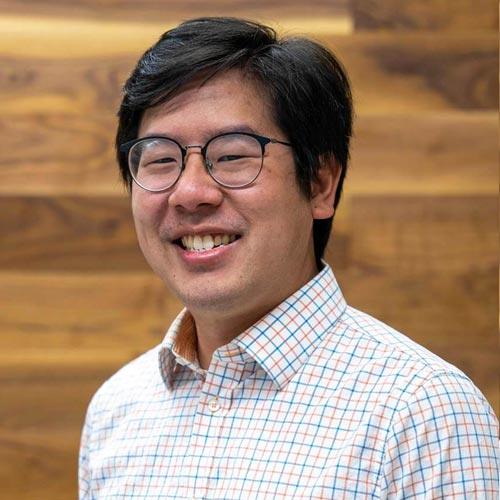
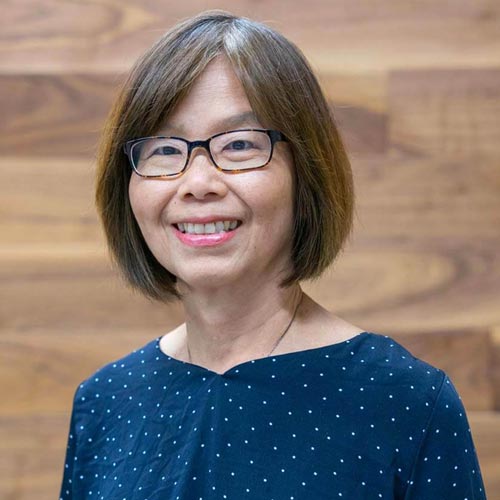
If you have tried everything, but still feel tired, call Dr. Lam for a personalized, all natural, total body approach to regaining your health, vitality, and feeling like yourself again. We are here to empower you to take control of your health. It starts with a FREE** call.
If you have been to specialist after specialist with no result, talk to Dr. Lam. He and his team have over 100 years of experience in identifying the root cause of health issues and will provide you with a personalized plan to regain your health naturally. Start here:
“Thank you so much for the personal touch, Dr. Lam. You don't find that in this day and age. I appreciate your time and the articles. Thank you again! I am so glad there are caring people like you out there!”
Toni
“Dr. Lam, Thank you so very much for your advice I trust you 100%. God Bless. If it wasn't for your clinic, I would be dead. Thanks for my life.”
Gloria
“Thank you so much for the wonderful care that you and your staff have given me. There would not have been such great improvement without your expertise. Hope it's a wonderful day for you.”
Claudia P.
“I can't believe that you are out there answering all of these emails - and so promptly. I am very impressed with your dedication.”
Walter L.
“Hi Dr. Lam! I'm feeling great on this program so far! Wow, this is amazing!”
Lilian P.
“I have absolutely loved working with Dr Lam's program. It has helped me, not only to recover from chronic fatigue, but has taught me a lot about getting well and detoxing. I will continue to use your methods and products.”
Kaz
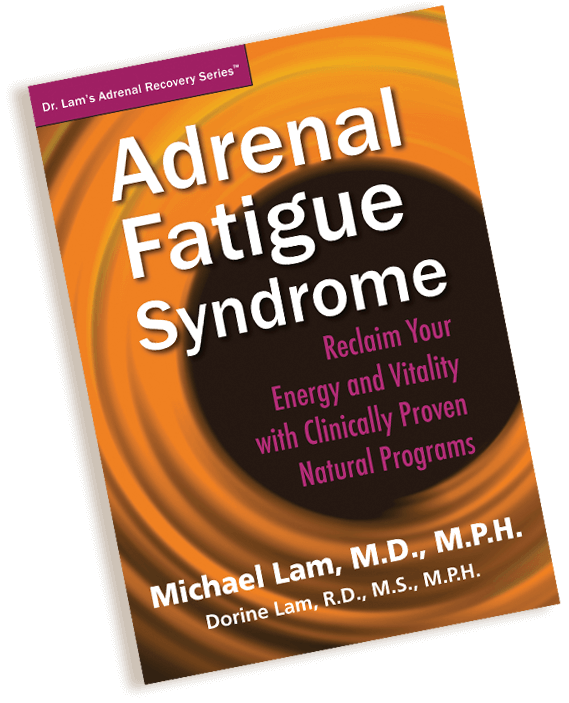
Order the Book by Dr. Lam
Adrenal Fatigue Syndrome
Reclaim Your Energy and Vitality with Clinically Proven Natural Programs
Although conventional medicine fails to recognize Adrenal Fatigue Syndrome, we know that it is real, and you need to know that you are not alone. You also need to know that recovery is possible, and help is available. Right here. Right now. Guiding you in your recovery is the primary focus of this book.