Reading Tips:

For fast reading, scan through the topic headings in BOLD BLACK, important conclusions in BOLD BLUE, and "Must Know" in BOLD RED. To jump to specific sections in this article, click on the respective LINKS in the Table of Contents.

Information presented here is for general educational purposes only. Each one of us is biochemically and metabolically different. If you have a specific health concern and wish my personalized nutritional recommendation, write to me by clicking here.

Soy
By: Michael Lam, MD, MPH
www.DrLam.com
Today, the soy industry has become a multi-billion dollar business. It attributes its huge success mainly to the anti-cholesterol and anti-meat gospels of current nutritional thought. It took a long time for soybeans to gain acceptance in the West as they were probably seen as conventional beans, and therefore cooked in the same way. However, today we see soy products proliferating in the North American market. While the traditionally fermented soy products of miso, shoyu, tempeh and natto are known to provide bounty of vitamins, minerals, carbodrates and fiber, the hyper-processed soy "foods" has no nutritional values at all.

Non-fermented soybeans products such as tofu are anti-nutrients. They  contain extremely high amounts of phytic acid. This acid is an anti-nutrient that binds to minerals in the digestive tract and carries them out of the body. As such, vegetarians have high rates of iron and zinc deficiencies.

Soybeans also inhibit protein digestion as they contain trypsin inhibitors. Fragmented foods such as textured vegetable protein (TVP), soy "milk" and soy protein powders, vegetarian meat and milk substitutes are made by heating the soybeans and washing them with alkaline water. The purpose is to remove the fats and neutralise their potent enzyme inhibitors. Today, scientist tells us that these processes denature the bean's protein content, making them very hard to digest. Another compound called MSG, a neurotoxin added to TVP to make it taste like the various foods it imitates is harmful.

Soybeans are deficient in cysteine, methionine and vital sulphur-containing amino acids. They are also lacking in tryptophan, another essential amino acid. Soybeans also contain no vitamins A or D that are required by the body to assimilate and utilize the bean's protein. For these reasons, the
Chinese usually do not consume soybeans alone. They usually combine them with fish or fish broths and other forms of proteins.

With so much being said against the benefits of soy, the New Zealand government is considering removing soy formula from the market and making it available only by prescription.

The final conclusion has yet to be drawn. Research is still ongoing. However, some recent studies have said that
soy's phyto-oestrogens, which are supposed to help alleviate the effects of low oestrogen production in the body, is now believed to be a causative factor in breast cancer and infantile leukaemia. These phyto-oestrogens or isoflavones are also believed to depress thyroid functions in some animals.
 

Message from Dr. Lam

I hope you have enjoyed reading this article. If you have areas you don't understand,
or if you have a specific health concern, feel free to write to me by clicking here.

 
About The Author

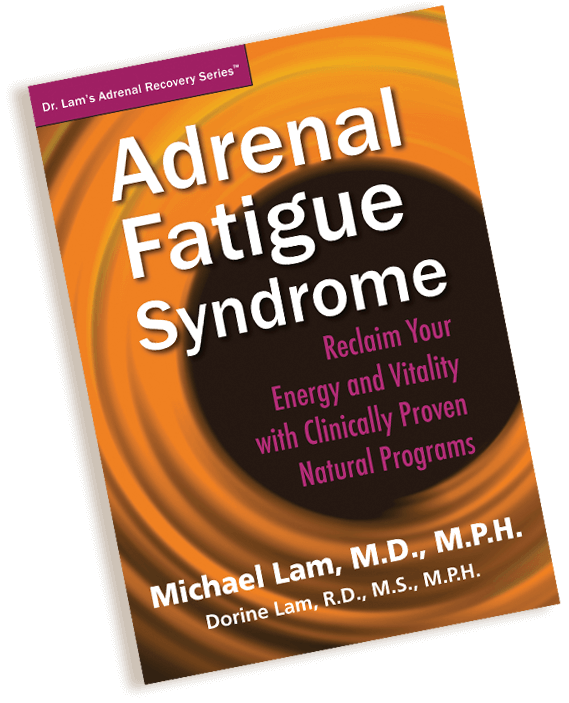
Michael Lam, M.D., M.P.H., A.B.A.A.M. is a specialist in Preventive and Anti-Aging Medicine. He received his Bachelor of Science degree from Oregon State University, and his Doctor of Medicine degree from Loma Linda University School of Medicine, California. He also holds a Masters of Public Health degree and is Board Certified in Anti-aging Medicine by the American Board of Anti-Aging Medicine. He has authored numerous articles and the following books: The Five Proven Secrets to Longevity, How to Stay Young and Live Longer, Estrogen Dominance - Hormonal Imbalance of the 21st Century, and Beating Cancer with Natural Medicine.

 
For More Information

For the latest anti-aging related health issues, visit Dr. Lam at www.DrLam.com.
Feel free to email Dr. Lam by clicking here if you have any questions.

 
Ownership and Use

This Web Site and all content and materials included on this Web Site, including without limitation all information, text, graphics, illustrations, photos, video, sound and software (collectively the "Content"), are copyrighted and protected under U.S. and international copyright laws, trademark and other intellectual property laws and treaties and are the exclusive property of Dr. Michael Lam. Dr. Michael Lam hereby retains all right, title, and interest in the Content.

All rights are reserved. You may not store, modify, create derivative works of, translate, distribute, publish, transmit, sell or participate in any sale of, or exploit in any way any Content in any form or by any means. You acknowledge that you do not acquire any ownership rights by downloading material from this Web Site. You are authorized to view this Web Site for informational purposes only. No part of this Web Site or Content can be redistributed, copied, adapted or reproduced without the prior written consent of Dr. Michael Lam.

 
© 1999-2009  Michael Lam, M.D. All Rights Reserved.