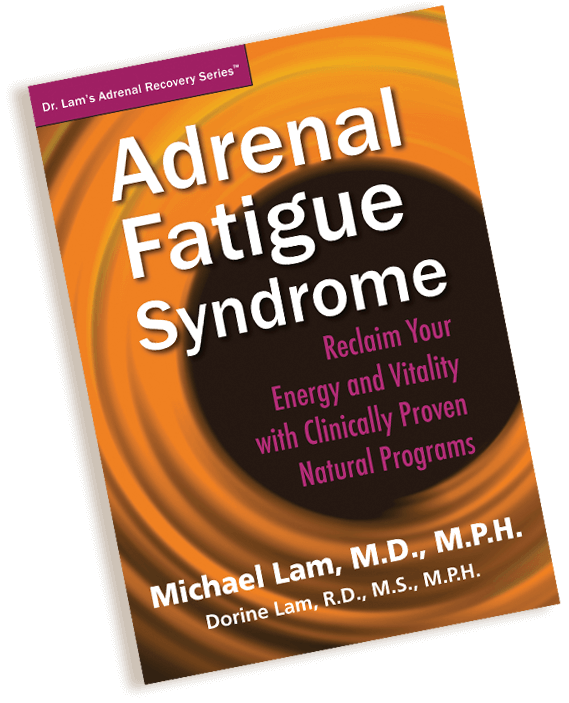
| ADRENAL
FATIGUE |
 |
(READING TIPS: For fast reading, scan through the topic headings in BOLD BLACK,
important conclusions in BOLD
BLUE,
and " Must Know " in
BOLD
RED. To jump to specific sections in this article, click on the
respective LINKS
in the Contents.)
| Before You Begin
Information presented here is for general
educational purposes only. Each one of us is biochemically and
metabolically different. If you have a specific health concern and wish
my personalized nutritional recommendation, write to me by
clicking here. |
Contents
Introduction
Signs
And Symptoms Of Adrenal Fatigue
Adrenal
Glands Basics
Cortisol
(Hormone Of Death)
Cortisol
Regulation
Common
Causes Of Adrenal Fatigue
How
Stressors Affect The Body
Stress
Response From A Hormonal Perspective
Adrenal
Fatigue Progression
Why
Conventional Medicine Missed Diagnosing Adrenal Fatigue
Laboratory
Test
Women
And Adrenals
Adrenal
Fatigue Protocol
Tips
To A Healthy Adrenal Glands
Conclusion
INTRODUCTION
Fatigue and lethargy
is one of the most common complaints amongst adult patients. If
you have symptoms such as tiredness, fearfulness, allergies, frequent influenza,
arthritis, anxiety, depression, reduced memory and difficulties in concentrating,
insomnia, worn-out, inability to loose weight after extensive efforts, you
may be suffering from adrenal fatigue (technically known as hypoadrenia).
Adrenal fatigue has a broad spectrum of non-specific yet often debilitating
symptoms. The onset of this disease is often slow and insidious. Patients
are told that they are stressed and need to learn to relax more. Yes, we
all know that "stress kills" to a large extent. But, the question is how?
And, what are the solutions?
The real truth is that stress is not a mysterious
entity at all. Our body has a built-in mechanism to deal with
it. Being able to handle stress is a key to survival, and the control center
in our bodies is the adrenal glands. When our adrenal glands become fatigue and unable to handle stress,
dysfunctional physiological smptomatology sets in.
Adrenal fatigue was first described in the medical texts in the 1800s
as a clinical condition. It was one of the most prevalent conditions,
afflicting almost every adult in one way or
another. Despite effective diagnostic tools and treatment programs,
most conventional physicians were simply not informed and not prepared to
treat adrenal fatigue as a serious threat to health. This condition was
seldom diagnosed as a sickness for the past 50 years. Instead, it was considered
as a condition whereby no treatment was available other than to tell the
patient to "relax". Why was this so? The reasons were simple. Laboratory
tests were unable to detect any abnormality, until recently. Today,
adrenal fatigue could be accurately diagnosed, overcome and treated properly.
Adrenal fatigue should not be confused with
another medical condition called Addison's disease where the adrenal glands
are not functioning. While Addison's disease is often caused by auto-immune
dysfunction, adrenal fatigue is caused by stress. Adrenal
fatigue is the non-Addison's form of adrenal dysfunction. Unfortunately,
conventional medicine only recognizes Addison's disease as hypoadrenia,
despite the fact that adrenal fatigue is a fully recognizable condition.
As such, do not be surprised if your doctor is unfamiliar with this condition.
Signs and Symptoms of Adrenal
Fatigue
- Tendency to gain weight and unable to loose it,
especially around the waist.
- High frequency of getting the flu and other
respiratory diseases and these symptoms tend to last longer than
usual.
- Tendency to tremble when under pressure.
- Reduced sex drive.
- Lightheaded when rising from a laying down position.
- Unable to remember things.
- Lack of energy in the mornings and also in the
afternoon between 3 to 5 pm.
- Feel better suddenly for a brief period after
a meal.
- Often feel tired betweeen 9 - 10 pm, but resist
going to bed.
- Need coffee or stimulants to get going in the morning.
- Crave for salty, fatty, and high protein food such
as meat and cheese.
- Increase symptoms of PMS for women; period are
heavy and then stop, or almost stopped on the 4th day, only to start flow
again on the 5th or 6th day.
- Pain in the upper back or neck with no apparent
reasons .
- Feels better when stress is relieved, such as
on a vacation.
- Difficulties in getting up in the morning
- Lightheaded
Other signs and symptoms include:
- Mild depression
- Food and or inhalant allergies
- Lethargy and lack of energy
- Increased effort to perform daily tasks
- Decreased ability to handle stress
- Dry and thin skin
- Hypoglycemia
- Low Body Temperature
- Nervousness
- Palpitation
- Unexplained hair loss
- Alternating constipation and diarrhea
- Dyspepsia
If you have many of these
signs and symptoms, it is time you consider adrenal fatigue as a possible
cause once you have ruled out other organic pathologies.
None of the signs or symptoms by itself can definitively diagnose
adrenal fatigue. When taken as a group, these signs and symptoms
do form a specific syndrome or picture - that is of a person under stress.
These signs and symptoms are the end result
of acute severe or chronic excessive stress and the inability of the body
to reduce such stress. Stress, once a "basket" term used by physicians
to explain non-specific symptoms undetectable by conventional blood test,
is of no mystery to the body at all.
The ability to handle stress, physical or emotional, is
a cornerstone to human survival. Our body has a complete set of stress modulation
system in place, and the control center is the adrenal glands. When this
gland becomes dysfunctional, our body's ability to handle stress reduces,
and symptoms will arise..
Let us now look at how the adrenal glands work.
ADRENAL GLANDS BASICS
The adrenal glands are two small glands, each about the size of a large
grape. They are situated on top of the kidneys. Their purpose is to help
the body to cope with stress and help it to survival. Each adrenal gland
has two compartments. The inner or medulla modulate the sympathetic nervous
system through secretion and regulation of two hormones called epinephrine
and nor epinephrine that are responsible for the fight or flight response.
The outer adrenal cortex comprises 80 percent of the adrenal gland
and is responsible for producing over 50 different types of hormones
in three major classes - glucocorticoids, mineralcorticoids and androgens.
The most important glucocorticoid is cortisol.
When this is lowered, the body will be unable to deal with stress.
Mineralcorticoids such as aldosterone modulate the delicate balance of
minerals in the cell, especially sodium and potassium. It therefore regulates
our blood pressure. Stress increases the release of aldosterone, causing
sodium retention (leading to water retention and high blood pressure) and
loss of potassium and magnesium. Magnesium is involved in over 300 enzymatic
reactions in the body. When the body lacks magnesium, it will suffer from
a variety of pathological conditions such as cardiac arrhythmias, uterine
fibroids and osteoporosis.
The adrenal cortex is also responsible for
producing all sex hormones, although in small amounts. One exception is
DHEA, a weak androgenic hormone that is made in large amounts
in both sexes. DHEA, together with testosterone and estrogen, are made from
pregnenolone, which in turn comes from cholesterol.
Pregnenolone also leads to the production of progesterone and as one of
the intermediary steps in the making of cortisol. Pregnenolone is therefore
one of the most important intermediate hormones being produced in
the hormonal cascade. Prolonged deficiencies in pregnenolone will lead to
reduction of both glucocorticosteroids and mineralcorticoids such as cortisol
and aldosterone respectively.

Cortisol (The Hormone of Death)
The most important anti-stress hormone in
the body is cortisol. Cortisol protects the body from excessive
stress by:
Normalizes blood sugar - Cortisol increase blood sugar
level in the body, thus providing the energy for the body to physically
escape threat of injury in order to survive. Cortisol works in tandem
with insulin from the pancreas to provide adequate glucose to the cells
for energy. More energy is required when the body is under stress from any
source, and cortisol is the hormone that makes this happens. In adrenal
fatigue, more cortisol is secreted during the early stages. In later
stages ( when the adrenal glands become exhausted), cortisol output is reduced,
and blood sugar balance becomes a problem.
Anti-inflammation Response - Cortisol
is a powerful anti-inflammatory agent. When we have a minor injury
or a muscle strain, our body's inflammatory cascade is initiated,
leading to swelling and redness commonly seen when a ankle is sprained or
an insect bite. Cortisol is secreted as part of the anti-inflammatory response.
It's objective is to remove and prevent swelling and redness of nearly
all tissues. These anti-inflammatory responses prevent mosquito bites from
enlarging, bronchial tress and eyes from swelling shut from allergies, and
swelling from being too intense.
Immune System Suppression - People
with high cortisol levels are very much weaker from the immunological point
of view. Cortisol influences most cells that participate in the immune reaction,
especially white blood cells. Cortisol suppresses white blood cells, natural
killer cells, monocytes, macrophages, and mast cells. It also suppresses
the auto-immune system response to foreign insult.
Vaso-constriction - Cortisol contracts mid-size arteries.
People with low cortisol (as in advance stages of adrenal fatigue) have
low blood pressure and reduced reactivity to other body agents that constrict
blood vessels. Cortisol tends to increase blood pressure that is moderated
by calcium and magnesium.
Physiology of Stress -
People with adrenal fatigue cannot tolerate stress and will then succumb
to severe stress. As their stress increases, progressively higher levels
of cortisol are required. When the cortisol level cannot rise in response
to stress, it is impossible to maintain the body in optimum stress response.
In this respect, we can conclude that stress does kill.
In summary, cortisol sustains life via two opposite but related kinds of regulatory
actions: releasing and activating of existing defense mechanisms of the
body and shutting down and modifying the same mechanisms to prevent them
from overshooting and causing damage or cell death.
Cortisol Regulation
The adrenal glands are controlled via the hypothalamus-pituitary-adrenal
(HPA) axis. There is an existing negative feedback loop that governs the
amount of adrenal hormones secreted under normal circumstances. For
example, the HPA axis adjusts cortisol levels according to the body's need
via a hormone called Adrenal Corticotrophic Hormone (ACTH) that is secreted
from the pituitary gland in response to signals from the hypothalamus. When
the ACTH binds to the walls of the adrenal cells, a chain reaction occurs
within the cell. This leads to the release of cholesterol where it is manufactured
into pregnenolone, the first hormone in the adrenal cascade. After this,
cortisol is released into the blood stream where it travels in the circulatory
system to all parts of the body and back to the hypothalamus, where it is
measured. This completes the negative feedback loop.
Cortisol and ACTH are not secreted uniformly throughout the day. They
follow a diurnal pattern, with the highest level secreted at around 8:00
a.m. in the morning after which there is a gradual decline throughout the
day. Episodic spikes during the day can also occur when the body is stressed
or when certain foods are taken. The cortisol level is at its lowest between
midnight and 4:00 a.m.
COMMON CAUSES OF ADRENAL FATIGUE
Chronic stress is very common in the western society. The most common causes
of stress are work pressure, death of a love one, moving house, changing
jobs, illness and marital disruptions. Adrenal fatigue occurs when the amount
of stress overextends the capacity of the body to compensate and recover
from stress.
Stressors that can lead to adrenal fatigue include:
- Anger
- Chronic fatigue
- Chronic illness
- Chronic infection
- Chronic pain
- Depression
- Excessive exercise
- Fear and guilt
- Gluten intolerance
- Low blood sugar
- Mal-absorption
- Mal-digestion
- Toxic exposure
- Severe or chronic stress
- Surgery
- Late hours
- Sleep deprivation
- Excessive Exercise
- Excessive sugar in diet
- Excessive caffeine intake from coffee and tea
One of the most commonly
overlooked causes of adrenal fatigue is chronic or severe infection that
gives rise to an inflammatory response.
Such infection can occur sub-clinically with no obvious signs at all. Parasitic
and bacterial infections including Giardia and H. pylori are often the main
culprits.
HOW STRESSORS AFFECT THE BODY
When a person is stressed, the body reacts by mounting a stress response
through the stimulation of the sympathetic nervous system. This is also
called the "fight or flight" response as the body arms itself to face what
it perceives as danger. When this happens, epinephrine is secreted from
the adrenal medulla, and the hypothalamus-pituitary axis is stimulated to
release ACTH, which in turn causes the adrenal cortex to increase production
of the anti-stress hormone cortisol.
When a person experiences chronic stress, the cortisol level may rise to
such a high level that its production reduces as the adrenal becomes exhausted.
At the same time, DHEA, a hormone normally produced in the adrenal glands,
will start to decrease with stress without hitting a peak first (as in the
case of cortisol). With chronic stress, there is decompensation of DHEA
with concurrent rise of cortisol. As a result, the ratio of cortisol to
DHEA increases.
As with most hormonal systems, there is a negative feedback system in the
body to limit the production of each hormone. The same occurs in the case
of cortisol, with one exception. During prolonged or acute stress when
the body perceives that its survival is at stake, the excessive cortisol
output actually blunts the negative feedback response. In other words, instead
of a negative feedback system to shut down cortisol production when the
total cortisol is high, the body reacts in the opposite way. As cortisol
is the anti-stress hormone, the body will interpret a very high cortisol
level and impending danger. When this happens, the high cortisol exerts
a dampening effect on the negative feedback system instead in order
that we can survive this threat. More cortisol will therefore be produced.
This is the body's way to ensure that we can cope with the on-going
stress that threatens its survival.
When our body is stressed, our cortisol level rises in an environment where
the negative feedback system is dampened. While this is happening,
our DHEA level continues to drop. The result is a high
cortisol to DHEA ratio and:
1. Reduced insulin sensitivity, reduced glucose utilization and increased
blood sugar, which lead to diabetes.
2. Reduced secretory IgA (the main cellular defense factor), natural killer
(NK) cell and T-lymphocyte activity. This leads to increase chances of getting infections such as Herpes, yeast overgrowth,
and viral infections.
3. Increased loss in bone mass as calcium absorption is blocked and demineralization
of bone occurs, thus leading to osteoporosis.
4. Increased fat accumulation around the waist and protein breakdown, thus
leading to muscle wasting an inability to reduce weight.
5. Increased water and salt retention, leading to high
blood pressure.
6. Estrogen dominance, leading
to PMS, uterine fibroids, and breast cancer.
STRESS RESPONSE From a Hormonal Perspective
At work, what happens if your boss screams at you? Let us now examine some
of the effects within our body from a hormonal perspective.
- Your hypothalamus signals your pituitary gland to release
ACTH.
- The ACTH will stimulate the adrenal medulla to secreted
epinephrine, and the adrenal cortex to secrete cortisol, among other hormones.
- Your cortisol level will increase and convert more
stored glycogen into blood sugar for energy. Energy is also increased
from the release of epinephrine from the adrenals.
- Your heart rate will increase (from the epinephrine)
- You will tend to sweat more (from cortisol)
- Your muscle tension will increase (from cortisol and
epinephrine)
- Your digestion will slow down as blood is diverted
away to more important tissues.
Your bladder and rectum muscle may relax.
When the above physiological response occurs over a long
duration, or in certain cases when there is acute stress, then adrenal fatigue
can result as the adrenal glands become worn out.
ADRENAL FATIGUE PROGRESSION
Diseases progresses through stages normally as the body decompensates. Let
us take a closer look:
Stage 1: Alarm Reaction (Flight or Fight response)
In this stage, the body is alarmed by the stressors and mounts an
aggressive anti-stress response to reduce stress levels. Some doctors called
this the Early Fatigue stage.
Typically, there is an increased ACTH from the pituitary
gland that stimulates the adrenal glands into full gear to mount an retaliation
response. The adrenal medulla is stimulated to secrete more epinephrine,
and the total cortisol output from the adrenal cortex is increased
from the excitatory stimulus. There is a corresponding reduction in DHEA
production. During this period, the body needs cortisol to overcome
stress, and production of cortisol is therefore increased. After some
time, the adrenals will experience difficulties in meeting the body's ever
increasing demand for cortisol.
Stage 2: Resistance Response
With chronic or severe stress, the adrenals eventually are unable to keep
up with the body's demand for cortisol. As such , the cortisol
output will start to decline from a high back to a normal level,
while the ACTH remains high. With protracted ACTH and adrenal fatigue,
less cortisol is produced due to the adrenal becoming exhausted. While the
morning, noon, or afternoon cortisol levels are often low, the nighttime
cortisol level is usually normal.
A phenomenon called pregnenolone steal (also called cortisol shunt)
sets in. Cortisol production becomes the predominant pathway of hormone
production as the body favors the production of this hormone. Other hormones
such as pregnenolone, DHEA, testosterone and estrogen are less favored and
their production will decline. As a result, total pregnenolone output is
reduced but total cortisol output continues to be maintained at a normal
level. Careful analysis of the daily diurnal cycle of cortisol shows a dysfunctional
pattern of abnormally low cortisol in the morning. This is a time
when cortisol is needed the most. Nighttime cortisol is usually still normal.
Stage 3: Exhaustion
Despite rising ACTH, the adrenals are no longer able to keep up the increased
demand for cortisol production. This may happen over a few years.
Total cortisol output is therefore reduced, and DHEA falls far below average.
The nighttime cortisol level is usually reduced as the hypothalamic-pituitary-adrenal
axis "crash" and the body is unable to maintain homeostasis. Severe sex
hormonal imbalances (estrogen, progesterone, and androgens) are common and
a precursor to adrenal failure.
Stage 4: Failure
Eventually, the adrenals are totally exhausted. Patients at this stage have
a high chance of cardiovascular collapse and death.

Why Conventional Medicine Missed
Diagnosing Adrenal Fatigue
Despite sub-clinical adrenia with its various stages was recognized as a
distinct clinical syndrome since the turn of the 20th century, most doctors
are unfamiliar with this condition for the simple reason that it is difficult to diagnose effectively by traditional blood
test. Normal blood tests are designed to detect severe absolute
deficiency of adrenal hormones known as Addison's disease. This disease
afflicts only 4 out of 100,000 and is often the result of auto-immune disease
or infectious origin. Blood tests are also useful to detect extreme excessive
levels of adrenal hormones in a condition known as Cushing's disease.
Adrenal hormones are low in the case of Adrenal
fatigue, but still within the "normal" range and not low enough to warrant
the diagnosis of Addison's disease by regular blood tests. In
fact, your adrenal hormones can be half of the optimum level and still
be labeled "normal". Such "normal" level of
adrenal hormones does not mean that the patient is free from adrenal fatigue.
Conventional doctors are not taught the significance of sub-clinical adrenal
fatigue. They are misguided by blood tests which are not sensitive enough
to detect sub-clinical adrenia. As a results,
patients tested for adrenal functions are told they are "normal" but in
reality, their adrenal glands are performing sub-optimally, with
clear signs and symptoms as the body cries out for help and attention.
Adrenal fatigue afflicts more people than Addison's disease. It is not recognized
and has become an epidemic of massive proportion. To
truly diagnose adrenal fatigue, more sensitive laboratory testing and meticulous
detail to a complete history is required.
LABORATORY TEST
Adrenal fatigue has been demonstrated in laboratory studies of surrogate
markers of adrenal function. Two such markers used are cortisol
and DHEA.
The best way to test your adrenal health is to measure your level of free
key adrenal hormones such as cortisol and DHEA. Saliva
testing is preferred as it measures the amount of free and circulating hormones
instead of the binded hormone commonly measured in blood test.
DHEA can be measured anytime during the day. Cortisol, on the other hand,
is the highest in the morning and lowest in the evening before bedtime.
Taking 4 samples of cortisol (at 8 am, noon, 5 pm, and before
bedtime) is the most accurate. With multiple samples taken throughout
the day, we are able to map the daily diurnal curve of free cortisol in
the body relative to DHEA level. This will give us a much clearer
picture of adrenal function.
If you are taking oral or applying topical supplemental hormone creams
such as DHEA or pregnenolone, the saliva test results may be elevated immediately.
Blood test results will also increase, but it will take about 3 months to
show.
Stress can also affect the levels of adrenal hormones. Your cortisol level
tested after a quiet and relaxing morning will be very different from that
taken when you are under tremendous stress.
To rule out sub-clinical
infection as a cause of adrenal fatigue, specialized test measuring the
immunoglobulin response is necessary as normal culture for bacteria and
parasites will often be negative.
WOMEN AND ADRENALS
The adrenal glands contribute about 35 percent of female hormones
pre-menopausal and almost 50 percent post-menopausally. Furthermore,
without the proper functioning of the adrenal glands, pregnancy cannot occur.
· Estrogen Dominance. Today, women often have
exhausted adrenal glands by the time they reach their mid-thirties or early
forties due to a stressful lifestyle. Stress is regulated by our
adrenal glands primarily. In early stages of adrenal fatigue,
cortisol output is high as the body attempts to neutralize the stress by
producing more of it. However, when too much cortisol is produced, it will
have multiple undesirable effects. For example, cortisol blocks progesterone
receptors, making them less responsive to progesterone. Progesterone
normally produced by the adrenals comes to a halt in favor of cortisol.
Insufficient progesterone production leads to an imbalance of estrogen to
progesterone. With reduced progesterone to offset
estrogen, the body may experience estrogen dominance and a host of undesirable
side effects associated with excessive estrogen. This leads to a condition known as estrogen dominance.
It is no coincidence that we see a proliferation of conditions associated
with excessive estrogen such as PMS, fibroids, and pre-menopausal syndrome
when a women reaches their mid thirties and early forties.
· Adrenal normalization should precede hormone modulation.
The adrenal glands deal with the daily stresses of life. A
woman must normalize her adrenal glands in order to have a total body hormonal
balance. In fact, replacement of deficient hormones alone without addressing the overall
health of the adrenal gland is a band-aid approach and often ineffective
in the long run. The normalization process can begin with investigating
and eliminating stressors. Stressors are often chronic in nature, and can
be related to lifestyle, dietary, mental, and inflammatory causes. Women
with heavy menstrual bleeding and adrenal exhaustion can normalize their
adrenal functions with natural cortisol, adequate sleep, proper diet, and
nutritional supplementation before considering progesterone therapy. Progesterone may make their bleeding even heavier. This
is usually only temporary and occurs in the beginning when the estrogen
sites are being resensitized. Women under stress can paradoxically have
high cortisol and adrenal insufficiency (stage 1) at the same time before
they get to the adrenal fatigue stage where the cortisol level eventually
drops (stage 2-3).
· Most post- menopausal
women who are experiencing hair loss have an adrenal function problem.
Hair loss is a sign of excessive androgen. Some women tend to produce too
much androstenedione, which then gets converted into estrone and testosterone.
Estriol can be given to offset the testosterone effects as estrogen balances
testosterone in the body. Cortisol is also very helpful and can be used
as a first line natural medicine. It keeps the adrenal glands from getting
stuck in the androgen part of the stress cycle. Cortisol also complements
the use of progesterone as well. The effective cocktail therefore consists
of estriol, cortisol and progesterone.
ADRENAL FATIGUE PROTOCOL
| Attention Because
of tremendous individual variation, the use of nutritionals should
therefore be personalized for your body. One person’s nutrient can
be another person’s toxin. If you have a specific health concern
and wish my personalized nutritional recommendation, write to me
by clicking here. |
Adrenal Fatigue can be reversed. You may need to allow
6 months to 2 years for the recovery process to take place. These are some
of the important steps:
1. Removal of the stressors.
This is the most important step. Emotional
stressors such as marital, family, relationship, or financial problems needs
to be dealt with and normalized.
2. Sleep. The most important is
to have enough rest. It is important to go to sleep by 10 p.m. every night.
Why? This is because our adrenal glands kick in for a "second wind" to keep
us going from 11 pm to 1 am. This puts tremendous stress on the adrenals.
When we rest early, our adrenals are fully rested and the high gear is avoided.
Between 10 p.m. and 1 a.m., our adrenals work the hardest
to repair the body. We should also try to sleep in until 8:30
a.m. or 9: 00 a.m. if possible. This is because our cortisol level rises
to its peak from 6:00 a.m. to 8:00 a.m. in order to wake us up and get us
going for the day.
In later stage adrenal fatigue, the level of cortisol falls and we feel
tired. It will be more difficult to wake up. If we were to wake up too early,
this will only increase stress on the adrenal glands, which will have to
produce more cortisol when it is already exhausted.
A good night sleep is therefore mandatory. Without a good sleep, our bodies
cannot regenerate itself to deal with stressors the next day. We should
also rest in a completely dark room to maximize melatonin production.
If you are unable to fall asleep, take oral melatonin (0.5 mg to 3mg) 30
minutes before bedtime. You may begin with a low dose (0.5 mg) and gradually
work upwards. If you start with 3 mg, the common over-the-counter dose and
find it not helpful, go to a lower dose instead. The
right dosage varies from person to person.
If you have a tendency to wake up at 2 to 3 a.m. and find that you are unable
to fall back to sleep, that is a sign of excessive stress. In this case,
you may wish to consider a time-release melatonin. You may also wish to
try other sleep aids such as 5-hydroxytryptophan (5-HTP) 50-100 mg, adrenal
extracts, and trace mineral tablets. Another wonderful relaxant and sleep
aid is magnesium. Some common herbs that enhance sleep are valerian (root),
hops (whole plant), and licorice (root).
3. Avoid Coffee or Caffeinated
Beverages. Coffee and tea
act as stimulants and interrupt sleep pattern. Herbal tea is
acceptable because it does not contain caffeine.
4. Avoid TV and Computers. Some
people may be photosensitive. Watching television or working at the computer
may prevent the melatonin level from rising to induce sleep. If you are
one of these people, you should turn off your television or computer by
around 8 p.m. at night.
5. Exercise. This
is a wonderful stress reducer and a tremendous oxygenator. Exercise reduces
depression, increases blood flow, normalizes level of cortisol, insulin,
blood glucose, growth hormones, thyroid, and makes you feel generally much
better. You can exercise 20 to 30 minutes a day, dividing each session into
10-minute blocks.
Simple exercises such as brisk walking, or climbing stairs are easy to do
and can be done almost anywhere. You should vary your routine so that exercise
becomes fun. Plan to burn about 2,000 to 3,000 calories each week. When
exercising, you should cover the following three categories:
- Aerobics - such as fast walking, stairs climbing, Nordic
track, swimming, and treadmill.
- Anerobics - such as weight lifting, push-ups, sit-ups,
chin-ups
- Flexibility - such as stretching, yoga, and tai chi.
6. Nutritional Supplementation.
It is prudent to optimize the adrenal gland functions. Supplement such as
DHEA at 15 to 30 mg, pregnenolone at 25 to 50 mg, low dose natural cortisol
at 25 to 50 mg, natural progesterone at 20 mg, or cortisol enhancing agent
such as licorice root extract can be taken.
We should take an optimal balanced of vitamins and minerals for optimum
adrenal function. These include:
A. 500 mg to 3,000 mg of vitamin C with bioflavonoids,
lysine, proline, pine bark extract
B. 100 to 200 mg of fat-soluble vitamin C called
ascobyl palmitate
C. 900 to 1,500 mg of
vitamin B5 (panthothenic acid) as most hormone production in
the adrenal gland needs the co-enzyme A, a by-product of Vitamin B5, to
be produced.
D. Vitamin E is another
important nutrient, which is involved in at least 6 different enzymatic
reactions in the adrenal cascade. Take 400 to 800 I.U. of vitamin E daily.
E. Take 10,000
to 25,000 I.U of beta-carotene
and other important minerals such as selenium (200 mcg), magnesium
(500 mg) as well as important amino acids such as lysine
(1-2 gm), proline
(500mg - 1gm) and glutamine (1-5 gm) or more in advance cases.
F. DHEA 15-50 mg , pregnenolone
25-50 mg , adrenal glandular, adrenal extracts, licorice root can be helpful.
It
is very important to understand that a short-gun
approach by taking many nutrients at the same time seldom works and may even
backfire. The use of
nutritional supplementation in overcoming adrenal fatigue needs to be individualized,
base on each person's history, background, and body metabolic system.
One person's nutrient may be another person's toxin. Each nutrient is like one bullet in the arsenal.
Using the right bullet at the right time is critical because there are not many
bullets available. Many simply take the whole battery of nutrients without
this consideration and that approach seldom works long term in the case of adrenal
fatigue. Even if some nutrient appear to work well at first,
it may subsequently fail as the body developed tolerance. More is not necessarily better and may
make things worse in many cases because during the recovery process, the metabolism
changes, and it is important to match the dosage to the metabolic throughout
the entire journey for maximum effectiveness.
In adrenal fatigue, the body's
ability to process and assimilate nutrient is often compromised. Testing
doses are often used initially to see the amount of reserve the adrenal
has before application of any high dose nutrient.
Nutrients in the right dose should be administrated in a graded and step-wise
approach , with follow up by the health care professional .
7. Supplementing With Natural
Hydrocortisone or cortisone acetate in doses of 2.5 to 5 mg two
to four times a day can be a safe and effective way to replenish depleted
adrenals. However, this should be done under the guidance of a physician
and it is a prescription drug.
| Attention Because
of tremendous individual variation, the use of nutritionals should
therefore be personalized for your body. One person’s nutrient can
be another person’s toxin. If you have a specific health concern
and wish my personalized nutritional recommendation, write to me
by clicking here. |
8. Eating Pattern. When
our cortisol levels are at its peak from 6 a.m. to 8 a.m., we may have no
appetite. Many people skip breakfast because "they are not hungry". This is
because our bodies need sugar to run on. Furthermore, our body's energy requirement
does not change during this period. Even a small snack is better than nothing
at all and will provide the needed energy even though there is no urge to
eat.
Skipping breakfast is not a good idea. If you are low on sugar, the
adrenals are instructed to secrete cortisol because cortisol activates gluconeogenesis
to increase blood sugar level and allow the body to function. It is therefore
important to have a healthy breakfast soon after waking and not later than
10 a.m. This will prevent the body being put in a position to play "catch-up"
for the rest of the day.
The best time for lunch is from 11:00 a.m. to 11:30 a.m. Sometimes,
a nutritious snack between 2:00 to 3:00 p.m. will be needed to sustain our
bodies through the dip in cortisol levels that occurs between 3:00 to 4:00
p.m. Evening meals should be around 5:00 to 6:00 p.m. Supper, if needed,
should be in small quantities and low in glycemic to avoid the steep rise
in blood sugar commonly seen in high-glycemic index snacks such as cakes.
These snacks will cause the blood sugar to rise and a corresponding increase
in insulin output.
Over time, insulin secretion becomes dysfunctional, resulting in a hypoglycemic
state in the middle of the night. These symptoms are characterized by nightmares,
anxiety, and night sweats. When this occurs, the body will have to activate
the adrenals to put out more cortisol in order to raise the blood sugar back
to its normal level. This will eventually put an excessive burden onto the
already fatigued adrenal gland if carried on year after year.
9. Diet
A poor or unfitting
diet is one of the key and leading causes of adrenal fatigue. Without a
diet that is bio-chemically and metabolically compatible with the needs
of a damaged adrenal gland, complete recovery is simply not possible.
Sugar
Glucose is a simple sugar
found in food. It is an essential nutrient that provides energy for the
proper functioning of the body cells. After meals, food is digested in the
stomach and is broken down into glucose and other nutrients. The glucose
is absorbed by the intestinal cells, carried by the bloodstream to cells
throughout the body. However, glucose cannot enter the cells alone. It needs
assistance from insulin in order to penetrate the cell walls. Insulin therefore
acts as a regulator of glucose transport and metabolism in the body.
Insulin is called the
"hunger hormone". As the blood sugar level increases after a meal, the corresponding
insulin level rises with the eventual lowering of the blood sugar level
and glucose is transported from the blood into the cell for energy. As energy
is produced by the cell, blood glucose level slowly is lowered, the insulin
release from the pancreas is turned off. As energy continue to be generated,
the blood sugar level continues to drop. When it drops below a certain level,
hunger is felt. This often occurs a few hours after the meal. This drop
in blood sugar triggers the adrenals to make more cortisol. The cortisol
increases the blood sugar by converting protein and fat into its component
parts. With this, the blood sugar rises to provide a continuous supply of
energy for our use between meals. Cortisol therefore works hand in hand
with insulin to provide a steady blood sugar level 24 hours a day and keep
blood glucose levels in a tightly controlled range.
When the adrenal gland
is in a state, the amount of cortisol production drops below the normal
level, and the amount of sugar available to the cells is reduced. With less
sugar, less energy is available to the body, and fatigue is experienced.
As the sugar level drops below a critical point, dizziness
and lightheadedness can be experienced. These are common symptoms of low
blood sugar (also called hypoglycemia). Low blood sugar is most likely experienced
between meals at 10am-12pm, as well as 3-4pm.
To make things worse,
the body’s automatic response when more sugar is needed during a stress
response is to make more insulin in an attempt to move the sugar into the
cell from the blood stream to create more energy. Insulin opens up the cell
membrane to push the glucose in, resulting in further reduction in blood
glucose. This worsens the already existing hypoglycemic state.
Those with
adrenal fatigue often report symptoms such as dizziness and weakness, as
the blood sugar level drops below a comfortable level for the body to function
normally. To overcome
this, the quick fix solution is to take food that is high in refined sugar
such as donut or sweets, or drinks that is stimulatory to get the adrenal
to put out more cortisol, such as coffee or cola drinks. This gives the
person a boost of energy. However, this hypoglycemic symptom relief only
lasts for about 1-2 hours. Inevitably, it is followed by a crash to an even
lower blood level. Those suffering from adrenal fatigue are constantly on
a roller coaster ride in terms of their blood sugar level throughout the
day. The sugar level tends to increase after each quick fix, but drops after
a few hours. By the end of the day, the body is totally exhausted.
A diet
that maintains a constant sugar level in the blood is a critical consideration
in adrenal fatigue recovery. This can be done by taking a
variety of low-glycemic index food that releases sugar slowly to
sustain the body during and between meals. Starchy carbohydrates that are
converted quickly into glucose (such as pasta and bread) should be limited.
Soda drinks should be totally avoided.
Salt
The amount of salt in
the body is highly dependant and regulated by a chemical called aldosterone.
This chemical is manufactured in the adrenal cortex under the direction
of another hormone called ACTH (adrenocorticotrophic hormone). ACTH is
produced by the anterior pituitary gland. ACTH stimulates the adrenal
cortex to secrete a wide variety of hormones including aldosterone as well
as cortisol. Like cortisol, aldosterone follows a diurnal pattern of secretion,
peaking at 8 a.m. , and at its lowest betwee12-4am. Aldosterone is a very
specific compound that is responsible to maintain the concentration of sodium
and potassium in the cell as well as outside the cell. This in turn has
a direct effect on the amount of fluid in the body. Aldosterone therefore
plays a significant role in regulation of blood pressure.
It is important to note
that in our body, sodium and water goes hand in hand. Where sodium goes,
water follows. As the
concentration of aldosterone rises in the body, the concentration of sodium
and water rises, more fluid is retained in the body, and blood pressure
rises. Conversely, when the level of aldosterone lowers, the amount of sodium
and water in the body is reduced. The blood pressure goes down.
Unlike cortisol, aldosterone
does not have its own negative feedback loop when there are excessive amounts.
If the aldosterone level is too high, aldosterone receptor sites will be
down regulated and its sensitivity to aldosterone is reduced. In the early
phases of adrenal fatigue, the amount of cortisol and aldosterone increases
in our body due to the ACTH stimulatory effect from stress. As a result,
the sodium and water is retained in the body with a feeling of bloated.
The baro-receptors ( receptors that are sensitive to pressure) of the blood
vessels are triggered and blood vessels goes into a relaxation mode automatically
and this is regulated by the autonomic nervous system. This auto-regulation
helps to maintain a stable blood pressure at a time when the total fluid
volume increases due to high level of aldosterone triggered by stress. With
stress, the adrenal glands also secrete another hormone called epinephrine.
This hormone constricts the blood vessels and increases blood pressure in
order to ensure that our brain have adequate blood flow and oxygen to help
us deal with impending danger. The sum reaction of aldosterone, epinephrine,
and the autonomic relaxation response are some of the key factors that ultimately
decide the final blood pressure at any point in time. During the early stages of adrenal fatigue, the resulting blood
pressure is often normal if all bodily function is well balanced. If the
body is unable to overcome the aldosterone and epinephrine response, then
the blood pressure is elevated. It is common to find many under stress experiences
increase in blood pressure.
As adrenal fatigue progresses to more advance stages, the amount
of aldosterone production reduces. Sodium and water retention is compromised..
As the fluid volume is reduced, low blood pressure ensues. Cells get dehydrated
and become sodium deficient.
As with advanced adrenal fatigue reports a low blood pressure
as well as a salt craving. The low blood pressure is due to the reduced
fluid in the body. Salt craving is because the body is in a absolute
deficiency of sodium. Both are due to the lack of aldosterone. In order
to compensate for this, potassium is leaked out of the cells so that the
sodium to potassium ratio remains constant. The loss of potassium is less
then that of sodium, and as a result the potassium to sodium ratio is increased.
This imbalance causes another set of problems.
Those suffering from adrenal
often have a low body fluid volume accompanied by a salt craving due to
absolute deficiency in sodium as well as a normal to high potassium level.
While lost fluids should be replaced, it has to be done carefully. When the fluid is replaced without adequate sodium, the amount of
sodium in the body actually gets diluted, therefore resulting in an even
lower sodium level. This is called dilutional hyponatremia, a dangerous
condition that can be deadly. It is therefore important to
add salt liberally to fluids that are taken in by anybody suffering form
adrenal fatigue.
Commercially available
electrolyte replacement drinks such as Gatorade are designed for people
who have normal adrenal and excessive loss of potassium during exercise.
These drinks are designed to be high in potassium and low in sodium. They
can be taken in as fluid replacement if adrenal fatigue is very mild. Sufferers
of advanced adrenal fatigue usually have a low cortisol and sodium level.
They should take filtered drinking water with ½-1 teaspoon of salt on a
regular basis, especially in the morning.
Only a small number of people with adrenal fatigue have concurrent high
blood pressure. Those that fall into this category should check their blood
pressure carefully during fluid replacement.
Sea salt
is better than table salt in that it contains additional trace minerals
as well. A good fluid cocktail for adrenal fatigue suffers is vegetable
juice diluted with water and sprinkled with sea salt and kelp powder. Kelp
contains about 90 mg of potassium and over 200 mg of sodium per serving
and is easily absorbed.
Hydration of a person
in adrenal fatigue should take about 24-48 hrs. The drink should be administered
2-4 times a day in intermittent dosages. Coffee, alcohol, and tea (with
the exception of herbal tea) should be avoided.
Carbohydrate, Protein
and Fats
It is
important for adrenal fatigue patients to balance the amount of protein,
fat, and well as carbohydrates. As compared to a normal person, the adrenal
fatigue person has an immediate need for sugar when hunger strikes. At the
same time, they also need good protein as well as good fat to have sustained
energy until the next meal comes.
The primary diet should
be high in raw food and that is low in glycemic index. Fruit juices should
be avoided. Whole fruits should be limited, especially melons, which are
high in sugar and causes sugar spikes soon after food enters the body. Good
quality protein from meat, fish, and eggs are recommended. These provide
a steady source of energy to carry the body through between meals.
Vegetarians who have adrenal
fatigue have a much higher challenge. Legumes (beans) must be eaten with
whole grains, seeds, or nuts to make a complete protein. It is important
for vegetarians to add eggs, miso, as well as combining beans, seeds, and
nuts with a small amount of whole grain. About 50-60% of the diet should
consist of raw food. 6-8 servings of a wide variety of vegetables should
be included.
Seeds and nuts are critical
elements and sources of fatty acids that the adrenal glands need in order
to manufacture cholesterol, a precursor to all adrenal steroid hormones.
The key is to take nuts and seeds that are raw and free of rancid oils.
Oils that are rancid make the symptoms of adrenal fatigue worse and should
be avoided at all cost. Raw nuts should be taken on a liberal basis and
should be soaked overnight in water. Nuts such as cashews, almonds, brazils,
pecans, walnuts, and chestnuts are excellent. Peanuts should be avoided.
Olive oil should be used for light cooking. The cooking heat should be low
to moderate. Use coconut oil and butter for any high heat or deep-frying.
Vegetables high in sodium
include kelp, black olives, red hot peppers, spinach, zucchini, celery,
and Swiss chard. Fruits should only be taken in moderation. If you feel
worse after food consumption, that is the body’s way of telling you that
you are on the wrong track. Organic fruits such as papaya mango, apples,
grapes, and cherry are recommended. Bananas, dates, figs, raisins, and grapefruit
are high in potassium and should be limited.
Many
people with adrenal fatigue also have a lower level of hydrochloric acid
(HCl), which is necessary to break down the protein. Symptoms of this problem
include gas, bloating, and heaviness in the stomach after eating a meal
containing protein. In such case, the use of digestive enzymes, probiotics,
as well as HCl replacement is indicated
Dietary Tips:
1. Always eat breakfast,
and do it before 10am. The body’s glycogen supply
needs to be replenished after going through the evening. Try to each your
lunch before noon followed by a nutritious snack between 2 and 3. The evening
meal should be taken before 6pm. Just before bedtime, a couple of bites
of high quality snacks are recommended.
2. Combine small
amount of whole grains with generous portion of protein and fat at every
meal and snack except at bedtime. This will ensure sustained
energy is available at and between meals.
3. Eat 20-25% whole
grain, 30-40% above the ground vegetables (50% of which should be raw),
10-15% beans, nuts, and seeds, 10-20% animal food, 10-15% good fat, and
5-10% whole fruits (except banana and fruits in the melon family).
4. Whole
fruits are permitted in lunch and dinner except banana, figs and those in
the melon family.
5. Sprinkle
sea salt liberally to food to pleasant taste provided
that blood pressure is normal. Food that is high in potassium such as bananas
and dried figs can make the adrenals worse and should be avoided.
6. Start each morning
with a full glass of water and half a teaspoon to one teaspoon of sea salt.
The typical breakfast of fruits and yogurt will only worsen the adrenal
fatigue sufferer. In fact, those with adrenal fatigue usually experience
an increase in shakiness after a breakfast high in fruits. A good breakfast
would be one that is high in protein and fats such as eggs and raw nuts.
A very small amount of grains is acceptable.
7. Eat 5-6 frequent small
meals instead of 3 large meals
8. Take small amount
of healthy snacks high in protein and fat such as cottage cheese or nuts
before sleep if there is a tendency to wake up in the middle of the night.
9. Take small amount of carbohydrate
such as whole grain bread before sleep if there is a difficulty to fall
asleep.
Sample Dietary Plan of 2000 calorie a day:
20% whole grain = 400
calories = 2 slices of whole wheat bread, 1 cup of brown rice, and half
cup of oat meal.
30% vegetables = 600 calories
= 3 cups salad, 2 cups green leafy vegetables, 2 cups mixed vegetables.
15% nuts and beans = 300
calories = ½ cup legumes, 3 tablespoon of nuts and seeds.
15% fat = 300 calories
= 2 tablespoon olive oil.
10% animal food = 200
calories = 2.5 oz meat (including chicken, or fish).
10% whole fruits = 200 calories
= 2.5 medium whole fruit such as apple.
Food Choice Table
| Carbohydrates |
Good Choice |
Reasons |
Bad Choice |
Reasons |
| Vegetables - green leafy |
Vitamins, Minerals, Antioxidants, fiber |
Most Tuber vegetables (potatoes, tapioca) |
High glycemic index |
| Onions, Green Onions, Chives, Garlic |
Antibacterial, antiviral, anticarcinogenic |
|
|
| Cabbage, Broccoli, Cauliflower |
Prevent estrogen dominance causing cancer. |
|
|
| Tomatoes (both raw and cook) |
High Vitamin C and lycopene for CA prevention |
|
|
| Tubor vegetables in moderation - (carrots, beets, sweet potatoes) |
Beta Carotene - good antioxidant |
|
|
| Whole Fruits - |
Vitamins, Minerals, Antioxidants, fiber |
Fruits (banana, Watermelon) |
High glycemic index |
| Lemon, Lime |
Keep the body alkaline |
Fruit Juices |
High sugar content, low fiber |
| Soybean Products in moderation |
Cancer prevention |
|
|
| Pineapples |
Bromelain |
|
|
| Blueberry, grapes |
Protect the Heart |
|
|
| Whole Grains |
B-Vitamins, Insoluble fiber |
|
|
| Oats, Barley |
Soluble fiber, Lower Cholesterol |
White Rice |
High glycemic index |
| Pasta made with duram wheat |
Low to medium glycemic index |
White Flour |
High glycemic index |
| Basmati Rice |
Low glycemic index |
|
|
| Protein |
Good Choice |
Reasons |
Bad Choice |
Reasons |
| Legumes |
Soluble fiber |
Peanuts |
Aflatoxin (carcinogen) |
| Nuts |
High in Monounsaturated fats |
|
|
| Deep water fish |
High in Omega 3 Fatty Acid |
Coastal Fish |
Toxic Metals |
| Organic Eggs |
Best Biological Value Protein for Human |
Red Meats |
Acid forming, Carcinogenic, Increase Hormone |
| Nuts |
Monounsaturated fatty acid (lower chol), fibers |
Dairy |
Allegen, Hormone Increase |
| |
|
Shellfish |
Carcinogenic |
| Fat |
Good Choice |
Reasons |
Bad Choice |
Reasons |
| Avocado |
Monounsaturated fatty acid (lower chol) |
Margarine |
Hydrogenated Oil - carcinogenic |
| Olive Oil |
Monounsaturated fatty acid (lower chol) |
Deep Fried Food |
Hydrogenated Oil - carcinogenic |
| Polyunsaturated Oil when not heated |
High in Omega 6 fatty acid |
Chips |
Hydrogenated Oil - carcinogenic |
| |
|
Saturated Fats-Palm |
Increase Chol |
| |
|
Polyunsaturated Oil when Heated |
Hydrogenated Oil - carcinogenic |
| |
|
Soft Drinks |
Acidic, high sugar |
| |
|
Desserts |
High in sugar, high in hydrogenated fats |
| |
|
Sugar |
Empty calories, Increase TG, Inc Chol, Dental Caries |
TIPS FOR A HEALTHY ADRENAL
GLANDS
- Sleep by 10 p.m.
- Sleep in until 9:00 a.m., if possible
- Do the things that you like
- Avoid coffee or other caffeine containing beverages
- Eat early
- Have a glass of water in the morning with ½ to 1
teaspoon of salt
- Avoid grains such as bread
- Avoid starchy foods such as potato
- Avoid trans-fat such as French fries
- Laugh several times a day
- Take vitamin C, pantethanic acid, magnesium, and
vitamin E
- Take pregnenolone and DHEA as needed
- Avoid getting over-tired
- Avoid sugary fruits such as melons
- Never skip breakfast
True Stories
Dear Dr. Lam:
The following are my comments regarding your successful treatment of my numerous diagnoses.While working as a practical nurse for holistic physicians for years, I knew there had to be a physician who could treatment my multiple diagnoses. I was sick and tired of being sick and tired!! My diagnoses prior to receiving treatment from Dr. Lam were:
1. Hypoglycemic; Insulin Resistance;
2. IBS/Constipation;
3. Acute Insomnia;
4. Acute Fatigue;
5. Chronic Acid Reflux; Ulcer Tendency;
6. Stress Incontinence;
7. Hypercholesterolemia;
8. Acute Drug Allergies;
9. Acute allergies: wheat/corn/peanuts/caffeine (RAST Testing)
MSG, Aspartame, Red #40 Dye, Sulfites;
A. Symptoms of allergy attacks:
1. Panic Attacks (feeling of impending doom, out of
control!);
2. Tachycardia;
3. Hypertension: Blood Pressure, Normally 90/60;
4. Blurred vision; and
5. Excessive Perspiration.
10. Chronic Inhalant Allergies;
11. Acute Candidiasis as per Darkfield Microscopic Examination;
12. Immune System Compromised;
13. Chronic sinus infections;
14. Chronic bilateral ear infections;
15. Chronic bronchitis;
16. Acute Dental Problems;
17. Acute dry skin/hives;
18. SAD (Seasonal Affective Disorder; and
19. Depressive Reaction Due to Multiple Allergies.
I had a family history of father having diabetes, chronic lymphocytic leukemia, atrial fibrillation, heart attacks, multiple strokes, acute migraines, high blood pressure; and history of mother having hypotension, bipolar, and pancreatic cancer.
Since Dr. Lam's treatment over the past 4 months with PanThree, Matrik, and Sea Salt, I am extraordinarily pleased to announce I no long have many of my prior diagnoses. They are as follows: Acute Insomnia, Acute Fatigue, Acute IBS/Constipation, Acute Acid Reflux/Ulcer Tendency; Stress incontinence; Hypoglycemia; Insulin Resistance; Panic Attacks; Chronic sinus, ear, and bronchial infections.
It took a while for me to get there, but I have had 34 days in a row of a sense of well-being, my energy level is astounding, no more sleep issues, no more GI issues, no more infections, no more blood sugar issues, and absolutely no more panic attacks. Added bonus: I am now down 20 pounds.
I plan on continuing with Dr. Lam's program and am looking forward to even more improvements and less diagnoses. In my estimation: He is truly a "life-saver."
I would definitely encourage anyone who reads this testimony, to please reconsider your options, and pursue treatment with Dr. Michael Lam. Most definitely you will see dramatic improvement in your medical well being. You will add years to your life!
Appreciatively yours,
Jeannie D. |
CONCLUSION
Adrenal fatigue is a decrease in the adrenal gland's ability to carry out
its normal function. The chief symptoms are fatigue, excitability, or depression.
Adrenal fatigue is commonly cause by chronic stress from any
source (including emotional, physical, mental, or environmental) that exceeds
the body's capacity to adjust appropriately to the demands placed on it
by the stress. It is a condition that afflicts children as well as adults.
It can be diagnosed by properly laboratory test, if only the physician pay
more attention.
Adrenal glands can be restored
to optimum health naturally by adhering to healthy living principals. Proper
rest, together with specific nutritional diets and removal of stressors
are key components to adrenal fatigue recovery.
The road to adrenal recovery
is not a linear or straightforward path because of the complexity of our internal hormonal and stress-regulation
system.
Most people who suffer from adrenal fatigue also have multiple endocrine
imbalances including sub-clinical hypothyroidism, insulin resistance, and
estrogen dominance. These need to be optimized as
well. Adrenal recovery is a process akin to running a marathon. The process
is long, but it can be done easily and painlessly, one step at a time. Most
will find some improvement in a matter of weeks, depending on the degree
of pre-existing damage and the clinical skills of the health professional.
Because the amount of hormonal balancing is intricate and is highly sensitive,
the process take anywhere from 3 months to 3 years under the best of hands.
It is a long marathon, and recovery should not be expected in a matter of
weeks. Frustration and disappointments are common and normal. Patience is
key. During the recovery process, most, if not all, will go through a roller
coaster type ride with advances and setbacks.
The use of the proper amount of nutritional supplement
can certainly speed up the recovery process, if done properly. It is critically
important to note that while there are many nutrients that can help the
adrenal recover, only a few are normally needed at any point in time. Nutrients, if not dosed properly, can become toxic and make the adrenal
fatigue worse. A shot gun approach seldom works and can in fact backfires
if the adrenal is not able to take in the nutrients at the right rate, time,
and dose.
Take it one step at a time under professional guidance
is best to ensure that the right step is taken at the right time. This is
especially true for advance case. Laboratory test can be helpful, but is
not critical in most cases. The key is a knowledgeable clinician who takes
the time to understand your body’s signal and cries for help, a total nutritional
and lifestyle approach that helps the adrenal gland to normalize itself,
and on going adjustments in terms of nutritional supplementation to help
the adrenal during this recovery.
| Message from Dr. Lam
I hope you have enjoyed reading this article.
If you have areas you don’t understand, comments (good or bad), or if
you have a specific health concern, feel free to write to me by clicking
here. |
About The Author
Michael Lam, M.D.,
M.P.H., A.B.A.A.M. is a specialist in Preventive and
Anti-Aging Medicine. He received his Bachelor of Science degree from Oregon
State University, and his Doctor of Medicine degree from Loma Linda University
School of Medicine, California. He also holds a Masters of Public Health degree
and is Board Certification in Anti-aging Medicine by the American Board
of Anti-Aging Medicine. Dr. Lam pioneered the formulation of the three clinical
phases of aging as well as the concept of diagnosis and treatment of sub-clinical
age related degenerative diseases to deter the aging process. Dr. Lam has been
published extensively in this field. He is the author of The Five Proven
Secrets to Longevity and Beating Cancer with Natural Medicine
(available on-line).
For More Information
For the latest anti-aging related health issues, visit Dr. Lam
at www.DrLam.com. Feel free to email
Dr. Lam at dr@DrLam.com if you have any questions.
Reprint Information
This article may, in its unabridged, unaltered form and in its entirety only,
be reprinted and republished without permission provided that it is for personal
and non commercial education use only and further provided that credit be given
to the author, with copyright notice and
www.DrLam.com clearly displayed as source. Written permission from Dr.
Lam is required for all other use.
©2002 Michael Lam, M.D.
All Rights Reserved.
Reprint Permission
This content may be copied in
its full and unabridged form for non-profit education use provided that all
copyright, contact, and creation information is given, and the source clearly
indicated as www.DrLam.com. Written
permission is required for any other use.
Disclaimer | Privacy Statement
© Copyright 2001-2004 by Michael Lam, M.D.. All Rights
Reserved.
No
doctor-patient relationship is established by your visit or participation in our
website. No claim or opinion on these pages is intended to be, nor should be
construed to be, medical advice. Please consult with a healthcare professional
before starting any Anti-aging program |
| |