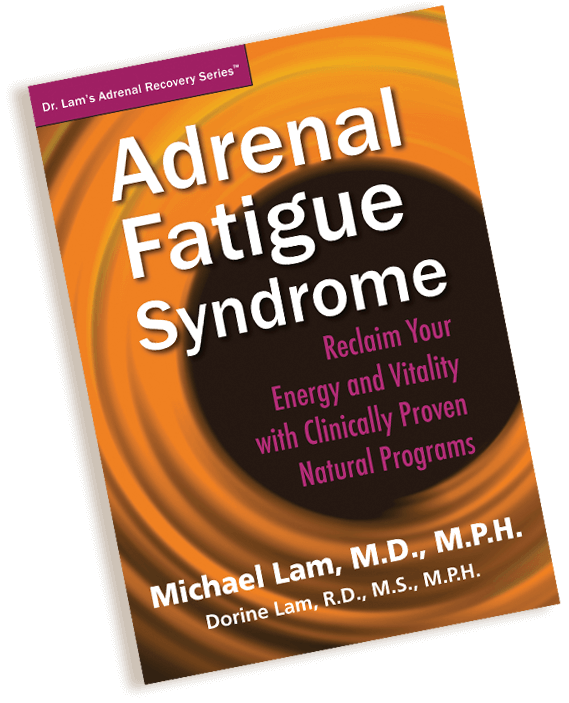
Dr. Lam Author of
|
|
|
|
Cancer and Antioxidants
Michael Lam, MD, MPH
www.DrLam.com
(READING TIPS: For fast reading, scan through the topic headings in
BOLD BLACK, important conclusions in BOLD
BLUE,
and " Must Know " in BOLD RED. To jump to specific sections in this article, click on
the respective LINKS in the Contents.
| Before You Begin
Information presented here is for general
educational purposes only. Each one of us is biochemically and metabolically
different. If you have a specific health concern and wish my personalized
nutritional recommendation, write to me by clicking
here. |
With or without the knowledge
of their doctor, research shows that 23 percent of cancer patients
take antioxidants. The use of antioxidants as an adjunct to conventional
or as an integral part of alternative cancer therapy is an area of intense
research. Many questions are unanswered, although we know today much more
than we ever have in the past.
Physicians specializing in nutritional and ortho-molecular medicine
have, for decades, successfully employed a carefully planned protocol
of natural micronutrients and antioxidants in the right dosage at the
right time to reverse cancer in its early stages, and to deter cancer
metastasis in advance stages. This is well before the antioxidant was
accepted by mainstream medicine.
For safety concern, all antioxidants and micronutrients used in any anti-tumor
protocol must meet all of the following criteria:
a. There must be science to justify the use of the antioxidant objectively.
b. Some form of mechanism of action must be known.
c. The antioxidant cannot be toxic to the body.
e. The antioxidant should not interfere with chemotherapy or radiotherapy.
Should Antioxidants be used in cancer patients?
This question can best be answered
by reviewing in detail the history and experimental designs of studies
on antioxidants in a cancer setting.
In earlier studies,
researchers drew the conclusion that antioxidants should not be used because
antioxidants protect cancer cells during chemotherapy. This
hypothesis was based on experimental designs where cancer cells were given
a single low dose micronutrient (like
65 mg. of vitamin C) just before
the commencement of a series of conventional chemotherapy or radiotherapy.
Cancer cells exposed to a single low dose micronutrient showed resistance
to chemo and radiological therapeutic agent. It is extrapolated
from this experimental observation that antioxidants will protect all
cancer cells against conventional therapy and therefore should not be
used. This conclusion is flawed
in two ways: it assumes that cancer cell react the same to low dose
as well as high dose antioxidant therapy. Secondly, it assumes
that only one dose of antioxidant is given, while in real life, antioxidants
as well as chemotherapies are usually given in series.
More recent studies using antioxidants in
the appropriate high and repeated doses
showed that they actually
improve the efficacy of tumor response to
chemotherapy and radiological therapy. This is the total opposite
of the earlier researches mentioned above. These later studies showed
that antioxidants at high doses selectively inhibit
the growth of cancer cells without affecting the normal cells.
This hypothesis is now well tested in many cell cultures and
in clinical trials and is widely accepted by nutritionally minded physicians.
Let
us look at these researches more closely. Studies have shown that a single low dose vitamin C or E micronutrient can stimulate growth
of normal cells and some cancer cells. In the famous beta-carotene
trial, where low dose beta-carotene is given to heavy smokers (whose body's
cells are exposed from free radical damage and oxidative stress from the
cigarette smoke and therefore cells are pre-cancerous), it is demonstrated
that in fact, low dose beta-carotene increase the incidence of lung cancer.
This is totally consistent with the fact that both
cancer and normal cells strive in an environment of a low dose antioxidant
that is beneficial for all cell types.
Normal and cancer cells respond in the same
way to low dose antioxidant therapy because both cell types require antioxidants
in low doses for optimum function. In an environment of high
dose of antioxidants, however, the picture is quite different. Normal
cells have a mechanism to protect themselves when exposed to high doses
of antioxidants while cancer cells do not. In other words, cancer
cells have not yet adapted to the new insult and they suffer damage from
the antioxidants. High dose antioxidants
therefore selectively are toxic to cancer cells but not to normal cells.
Recent evidences shown that radiotherapy and chemotherapy often harm DNA
to a minor extent, which causes the cells to undergo apoptosis rather
than necrosis. High dose antioxidants stimulate apoptotic pathway and
therefore potentially have a synergistic effect with radiation or chemotherapy.
Studies have showed that a cancer cell's defense mechanism may be impaired,
making tumor cells unable to use the extra high dose antioxidant in a
repair capacity. Supplying extra antioxidants through nutritional support
will allow the cell to go thru a self-repair process. Most human tumor
cell lines studies are low in an enzyme call catalase by 10-100 times
compare to normal cells. Vitamin C administration to these cells would
cause a build up of hydrogen peroxide, which leads to cell death. The
cytotoxic effects of vitamin C were eliminated by addition of catalase
to the cell culture.
It is clear now that repeated high dosage of antioxidants
selectively kill cancer cell while sparing normal cells.
Dosage
Levels
| Attention
Because of tremendous individual variation,
the use of nutritionals should therefore be personalized for your
body. One person's nutrient can be another person's toxin. If you
have a specific health concern and wish my personalized nutritional
recommendation, write to me by clicking
here. |
What is the optimum dose for
each nutrient to use for each stage of the disease? Unfortunately, there
is no standard reference established today, as research in
this field is only possible since the mid 1970s with the advent of modern
computerized technology and is still in its infancy stage. Those in the
forefront of nutritional and alternative cancer therapy research have
a general idea of what the therapeutic ranges should be, and these
ranges are established largely based on clinical experience.
It is important to make a distinction between low dose and high dose micronutrient
therapy. Low dose generally reflect that established by the RDA. High
dose is defined as the dose that causes cancer cells die but not that
of normal cell.
The low and high dose for the majority of
micronutrients are not known, with the exception of a few well
studied ones such as vitamin C. Over 5,000 studies have been conducted
on vitamin C, and here is the general parameter on a daily intake basis:
· Prevention of scurvy - 35 mg
· Low Dose - Recommended Daily Allowance (RDA) - 80 mg
· General well being: 100-300 mg
· Anti-aging Dose: 300 - 2,000 mg
· High Dose - 2,000 - 10,000 mg (where cancer cells are killed and normal
cells are spared)
· Very High Dose - for Active cancer treatment alone or as adjunct to
conventional treatment: 5 gram to 50 grams (by mouth and IV)
· Toxic Dose - where cancer calls and normal cells are both killed. There
is no established toxic dose.
What is clear is that the amount needed is case specific and stage specific.
For example, the dosage required to maintain remission is lower
than that used to treat active and growing tumors, but significantly higher
than that used to prevent cancer or for simple wellbeing.
Current evidence supports:
· Antioxidants in low dose protect normal cells against
the insult of radiotherapy and chemotherapy - that is universally agreed.
· Different cell types react differently
to different nutrients. Melanoma cell is very sensitive
to vitamin C but not parotid carcinoma. The reverse is true for beta-carotene.
Differential response depends on the dose and the type of cancer cell.
· Specific combinations of high dose micronutrients
should be use at least 48 hours before conventional chemotherapy or radiotherapy to protect normal cell, enhance the chemo and radio therapeutic
agent during each day of active treatment and during remission.
· Do not give single
low dose micronutrient before, during, or after conventional
therapy as it enhances normal and cancer cell growth. If you
only give one low dose and low dose, it does not help. Low dose of antioxidant
alone can stimulate cancer cells. This is counterproductive. Combination
of micronutrients in low dose also has the similar effect. This has been
demonstrated in melanoma cells exposed to RDA levels of low dose vitamin
C and E.
· Dietary antioxidants in high
doses will enhance chemotherapy and radiotherapy agents,
if given in series on a daily basis during the course of chemo and radiotherapy.
Do not give
low dose antioxidants before chemo or radiotherapy, which has repeatedly
demonstrated to protect cancer cells. Vitamin C and E markedly enhance
the effect of the chemotherapeutic agent 5 FU.
· Some nutrients augment the effect of chemotherapeutic
agents. Studies have shown that high dose of vitamin C, beta-carotene,
and vitamin E succinate causes a 50 percent reduction in melanoma cell
growth, while there is no effect on normal cells. In selected case such
as colon cancer, vitamin E has been shown to be more effective than 5FU
in reducing cancer cell based on laboratory animal models. Antioxidants
also increase the effect of hyperthermia without affecting the normal
cell.
Single Nutrient or Nutritional cocktail?
Several schools of thought are present within the use of micronutrients.
Some researchers favor the use of selected single micronutrient to attack
cancer cells, while others prefer a cocktail approach, using a myriad
of micronutrients, each in much lower (but still higher than RDA doses)
to accomplish the same purpose.
Since many antioxidants in high dose have been shown to have anti-tumor
properties, their judicious use in an anti-cancer nutritional cocktail
has been extensively studied in recent years. In an open trial of combination
antioxidant treatment along with chemotherapy and radiation therapy in
patients with small-cell lung cancer, patients taking at least 15,000
IU vitamin A, 10,000 IU beta-carotene, 300 IU alpha-tocopherol, 2 gram
of vitamin C, and 800 mcg of selenium were able to tolerate chemotherapy
and radiation well. In addition, their survival at the end of 2 years
was greater than that of historical controls (>33% to <15%), with
44 percent still living at the end of the study (mean survival time for
survivors = 32 months)
Most nutritionally oriented physicians favor
the use of a properly blended nutritional cocktail.
Which Antioxidants to AVOID?
When cancer cells are laced with over expression of and antioxidant called Super Oxide Dismutase (SOD), they
become resistant to oxidation. Do not give exogenous SOD use with radiotherapy
because mitotic cells (the most sensitive to chemo therapy) has the lowest
level of SOD. When you increase the level of SOD, the cell becomes resistant.
The use of N-acetylcysteine (NAC), tangeretin, and flavonoids
in therapeutic dosages should be avoided during active chemotherapy
or radiotherapy sessions. NAC
reduces the effectiveness of doxorubicin, flavonoids with tamoxifen, and
beta-carotene with 5-fluorouracil (5-FU). Dosages used to demonstrate
such interaction is in the high therapeutic doses. The nature of this
interaction is not clear. Non-therapeutic doses of nutritional cocktails,
such as those used in normal well-being, pose no side effect when taken
by those in active chemotherapy or radiotherapy, but in fact will alleviate
some of the symptoms associated with these standard treatment. When the
active chemotherapy or radiotherapy is finished, an aggressive cancer
remission protocol with optimum doses of nutritional supplementation should
be considered.
Important Cancer Antioxidants
The following is a list of common antioxidants used in cancer programs. They should be part of a complete antioxidant, vitamin, mineral,
and enzymatic program. These are not to be viewed as single micronutrients
but instead as an important part of an overall antioxidant program consisting
often of over 50 different nutrients for the simple reason that different
antioxidants works at different parts of the cell.
This is not a complete list, and not all antioxidants are necessary for
each person. Selecting the appropriate nutrients and the right dosage
is best left to a nutritionally oriented physician for maximum effectiveness. Blindly mixing and matching without
professional help at these dosages are NOT recommended. The
dosages reflect a range and not specific amounts. The exact amount varies
with each person.
1. Beta carotene: Beta-carotene
is a form of vitamin A. Vitamin A is a strong immune booster. It stimulates
the activity of immune cells against tumor cells. Has been shown to inhibit
the promotion of caner, while beta carotene (precursor to vitamin A) inhibits
the initiation of cancer. Beta-carotene can decrease the amount of damage
free radicals do to a cell's DNA. Such DNA damage is thought to be one
mechanism that causes cancer, and indeed, some early studies suggested
that beta-carotene might reduce the risk of cancer. Many research reports
on the anti-cancer properties of vitamin A and the related retinoids have
been published over the past 20 years. Beta-carotene is used to give all
the supporting nutrients that allow the carotene to be converted to vitamin
A. High doses of beta-carotene, even over long periods of time, are
not associated with serious toxicity.
Researchers in Helsinki monitored the association between vitamin levels
of vitamin A and beta-carotene in 36,265 subjects and the subsequent development
of cancer. Their blood levels of vitamin A and beta-carotene were measured.
Those with the lowest levels had a greater risk for cancer. Cancer risk
increases when our dietary intake of these nutrients is low (American
Journal of Epidemiology 132: 857-880). A Harvard study that analyzed biopsies
of women's breast tumors shows that the women with high breast tissue
concentrations of carotenoids, including Beta Carotene are 30-70% less
like to have breast cancer.
Beta-carotene also protects against prostate cancer. A research
team at Nagoya City University Medical School and Kyoto University in
Japan reported in Cancer Research that low levels of beta-carotene are
directly related to the risk of developing prostate cancer. The study
involved 100 patients with prostate cancer. The ages were from 50 to 79
years. A study reported in the American Journal of Nutrition found
that high blood levels of beta-carotene had a strong protective effect
against lung cancer, melanoma, and bladder cancer. This study was done
at John Hopkins School of Hygiene and Public Health in Baltimore.
Epidemiological studies reveal that people with high intakes of beta-carotene
or high blood concentrations of this nutrient have a reduced risk of various
diseases, including cancer and heart disease. Beta-carotene stimulates
a molecule that helps the immune system target and destroys cancer
cells. It increases the number of receptors on white blood cells for a
molecule known as major histocompatibility complex II (MHC II). MHC II
is integral in helping monocytes, a type of white blood cell, direct killer
T cells to cancerous cells. In other words, beta-carotene is integral
in directing the immune system to kill cancer cells.
Therapeutic Dose: 25,000 to 100,000 IU a day
2. Vitamin C: It is known
that vitamin C acts as an antioxidant and free radical scavenger that
reacts directly with super oxide, hydroxyl radicals, and singlet oxygen
produced during normal cellular metabolism. Oxygen is necessary for life.
Oxygen also comes in several radical forms that have been implicated in
both initiation and post-initiation stages of the carcinogenic process
as well as in invasion and metastatic processes.
Aside from its antioxidant properties, there is no single universal accepted
and proven explanation for vitamin C's cancer fighting properties. It
is likely that a variety of pathways are involved, which include (1) fortifying
the immune system by increased lymphocyte production; (2) salvaging cellular
free radical damage; (3) inhibition of hyaluronidase, keeping the ground
substance around the tumor intact and preventing metastasis; (4) killing
oncogenic viruses through its enhancement of phagocytic activities; (5)
correction of an ascorbate deficiency commonly seen in cancer patients;
(6) stimulating collagen formation and its stabilization necessary for
"walling off" tumors; and (7) neutralization of carcinogenic toxins.
Vitamin C has been extensively studied in vitro and in vivo for its ability
to prevent the adverse effect of, and decrease resistance to, and increase
the effects of chemotherapeutic agents. There is little doubt that Vitamin C is an important
cornerstone of any active cancer or cancer treatment program
other than those that rely on free radical conversion to kill cancer cell
such as Poly-MVA.
Concurrent use of vitamin C has been shown to reduce the cardio toxicity
of chemotherapeutic agent doxorubicin and increases the activity of doxorubicin,
cisplatin, and paclitaxel in human breast carcinoma cells in vitro. During
conventional treatment and remission, a daily dose of 3-10 gram (in 4-
5 divided doses) significantly extends the survival and improves the quality
of life in numerous studies. Vitamin C can be given intravenously or orally.
Therapeutic Dose: Increase up to the bowel
tolerance from 1 gm, 2-4 times a day and gradually increase every few
days by 0.5 gm each dose to up to 3-10 grams a day. When diarrhea occurs,
reduce dose until the diarrhea is resolved.
3. Vitamin E: A key nutrient
required for strong immune response and an important fat-soluble antioxidant,
vitamin E's preventive role in cancer has been well proven. The use
of vitamin E concurrently with chemotherapy and radiotherapy is unclear.
There are reported benefits, but much more research is needed. With cancer
in remission, the use of vitamin E as a preventive nutritional agent to
prevent further oxidative stress is a cornerstone of any cancer remission
nutritional protocol. Use only the natural Vitamin E succinate form for
best absorption and therapeutic effect.
In particular, women with fibrocystic breast disease can benefit from
vitamin E therapy. Scientists at the Johns Hopkins Medical School in
Baltimore conducted a double-blind trial in 17 patients and 6 controls.
The patients in the study were given placebo tablets for one menstrual cycle,
followed by 600 IUs a day of vitamin E (alpha tocopherol acetate) for two
menstrual cycles. All patients were tested for blood levels of estradiol,
estriol, and progesterone. It was found that 15 of 17 patients (88%) showed
significant clinical improvement, confirming previous studies showing that
vitamin E is an effective treatment for fibrocystic breast disease.
Vitamin E raised blood levels of both estriol (E3) and progesterone in
fibrocystic patients, and that the ratio of both estriol and progesterone
to estradiol (E2) increased as well. This may explain (in part) the
therapeutic effect of vitamin E in these patients. E3 is the natural estrogen
found in the body with anti-cancer effect. Progesterone is an opposing hormone
to estrogen and counter-balances the estrogen dominance, a primary causative
factor in estrogen related diseases such as breast, ovarian, and uterine
cancer.
-
Highly malignant melanoma cell in
vitro has been shown to be converted into differentiated (normal) cell
after 3 days of exposure to Vitamin E succinate.
-
Glioma tumor cells (present in the
brain) are also more effective attacked by vitamin E succinate, probably
because of its better penetration of blood bran barrier.
-
Non-Hormone sensitive cells are converted
into hormone sensitive cells when exposed to vitamin E succinate. Hormone
insensitive cells are hard to treat.
-
Ovarian and cervical cancer - vitamin E
slow downs the mitotic activity of cancer cell but normal cell don't
get affected.
-
Vitamin E succinate enhances radiation
in cancer cell and protects the normal cell. In other words, vitamin
E succinate protects the normal cell against radiation induced chromosomal
damage but enhance the effect on radiation on cancer cell.
Tamoxifen, when combined with vitamin E, works
better than either alone in breast cancer cell.
Therapeutic Dose: 400 - 800 IU a day.
4. Selenium: Selenium
is considered an essential trace mineral or micronutrient. . It is a powerful
antioxidant with a central role in the protection of tissues from the damaging
effects of oxygen free radicals. The use of selenium compounds as a cancer
treatment predates most conventional treatments currently in use. In
spite of this, comparatively little is known regarding the use of selenium
as a cancer therapy in the active cell. Research suggests that selenium
may play a role in reducing the risk of cancer by binding with glutathione
peroxidase (GSH-Px) to combat destruction caused by free radicals and protect
cellular membranes. While many have reported a reduction in side effects,
such as nausea, emesis, and headaches often associated with chemotherapy,
research is still lacking in pinpointing the specific benefits of selenium
when used in conjunction with chemotherapy or radiotherapy.
200 mcg of selenium a day has been shown to reduce cancer death by 50%
and prostate cancer by 62% after 4 years. Cancer patients are often found
to be deficient in selenium. Selenium works synergistically with vitamin
E.
Dose: 100-200 mcg a day. Selenium
is highly toxic at concentrations of 1 milligram (1000 mcg) or more. Clinical
symptoms include severe irritations of the respiratory system, rhinitis,
lung edema, broncho-pneumonia, and metallic taste in the mouth. Selenium
dioxide may cause erythemia and toxic necrosis of the skin, loss of hair
and nails, tooth damage, or nervous system disorders. Selenium may also
be carcinogenic.
5. Lipoic acid: Called
the universal antioxidant for its ability to dissolve well in water and
in fat environment, Lipoic acid increase the effectiveness or potency in
other antioxidants. It can cross the blood brain barrier while others
cannot .One of the most beneficial effects of both alpha Lipoic acid
is its ability to regenerate other essential antioxidants such as vitamins
C and E, coenzyme Q10, and glutathione. The evidence is especially strong
for the ability of Lipoic acid to recycle vitamin E. This is apparently
achieved directly by quenching tocopherol radicals or indirectly by reducing
vitamin C or increasing the levels of ubiquinol (a derivative of CoQ10)
and glutathione that in turn, helps to regenerate tissue levels of vitamin
E.
Therapeutic Dose: 500-1000 mg a day
6. Poly MVA: This
is an alpha Lipoic acid complex with palladium. It is a non-toxic polynucleotide
reductase named POLYDOX (USA trials), Poly-MVA (Canada and Mexico) or LAPd
by some researchers. The element platinum is very lethal to cancer cells,
but also very toxic to humans. It's close relative: palladium, however,
is nontoxic in its present form. The MVA stands for minerals, vitamins,
and amino acids. LAPd stands for Lipoic acid/Palladium complex. Lipoic acid
is a natural powerful antioxidant that is both water and fat soluble, which
permits the Poly-MVA to pass across the cell membranes and the blood brain
barrier, which is impossible for most drugs, including chemotherapy.
Poly-MVA:
· Protects cellular DNA
· Carries the Powerful antioxidant Lipoic acid into the cell
· Acts as an intracellular electron donor
· Generates water within the cell
Cancer cells have deranged respiration producing less water in the cell
and utilizing more sugar, and one-twentieth the oxygen of normal cells and
no oxygen radical pathways. Thus when synthetic DNA reductase enters these
cells, protein radicals are formed which denature the tumor cell's proteins.
Since "normal cells" are capable of converting the radicals into energy
and water, no harm can occur.
The most dramatic responses were noted with
brain tumors. Other tumors that respond well are breast, ovarian,
prostate, colon, and lung cancer, among others. The original human trials
were done in Canada by a late oncologist, Dr. Rudy Falk, usually in conjunction
with standard chemotherapy for more than five years. He reported benefits
including pain reduction or control, improved appetite and weight gain,
and increasing energy. Some patients are still using low doses of Poly-MVA
and have no signs of cancer after ten years of use.
In addition to its anti-cancer properties, reported benefits of Poly-MVA
include:
· Improving memory
· Raising energy level
· Protecting DNA from free radicals
· Chelating cadmium, mercury, and lead
· Slowing the aging process.
· Increasing muscle strength
Therapeutic dosage varies with patients. Suggested
dosage is 2 teaspoon four times a day for 7 days, followed by 2 teaspoon
two times a day for 12 weeks or until remission, followed by 1 teaspoon
two times a day. Those with advanced cancer may consider 2 teaspoon four
times a day for 8 weeks before tapering off. For cancer prevention, one-half
to one teaspoon a day is sufficient indefinitely (one bottle will last 1.5
to 3 months). Each 8 ounce bottle contains 240 cc and 48 teaspoons of Poly-MVA
and about 8-10 bottles are required the first 3 months.
Because of its strong mineral content, concurrent
EDTA chelation therapy is not recommended. Dose of Vitamin C above 100 mg.
is counterproductive due to the fact that Poly-MVA needs free
radicals available in the cells in order to transform them into energy.
No additional Alpha Lipoic Acid is needed because the Alpha Lipoic Acid
in the Poly-MVA is sufficient to deal with the free radicals.
7. Bioflavanoids: also known as flavonoids, these are
compounds that occur naturally in many plants. They can be divided into
six groups:
o Isoflavones (found predominately in soy),
o Flavonols (found in onions and broccoli),
o Flavones (found in greens, including thyme and parsley),
o Flavonones (found in citrus fruits),
o Catechins (found in tea and apples) and
o Proanthocyanidins (found in grapes and cherries).
A. Green tea: when given with chemotherapy,
showed tumor regression patterns as the chemotherapy agent's effectiveness
appears to be increased. Ingredients in green tea may have beneficial effect
in treating cancer. It is difficult of the cancer patient to obtain enough
anti-cancer components in that form. A cup of green tea contains about 50
mg of caffeine, a stimulate that cancer patients should avoid.
Therapeutic Dosage: 4-10 decaffeinated green
tea extract capsules a day. High doses of 20mg/kg are needed (about 1.5
to 2 grams a day).
B. Quercetin: Extensively researched, this
flavonoid damages cancer cells only and leaves normal cells intact.
Food sources include onion and apples. It acts synergistically with chemotherapy
agents like tamoxifen, cisplatin, Adriamycin and also radio therapeutic
agents. It is a potent aromatase inhibitor and reduces the metastatic potential
of cancer cells. It stimulate the immune system like Reishi and maitake
mushroom, a potent antioxidant and free radical scavenger, and alters the
mitotic cell cycle in tumor cells and genetic expression. Most importantly,
it is anti-angiogenesis and enhances apoptosis. It increases the
intracellular glutathione level. It acts synergistically with hyperthermia
treatment protocols.
It inhibits mutant P53 protein that arrest the G2 end phase of the cell
cycle. Most drugs only inhibit the G1 phase. It induces apoptosis of cancer
cells. It suppresses glycolysis and ATP production, interferes with ion
pump systems, various signal transduction pathways, and inhibition of DNA
polymerase B and I. It binds to estrogen receptor sites, working like tamoxifen
and inhibit the growth of estrogen positive and estrogen negative cells.
It inhibits mutant P21 gene found in over 50 percent of colon cancers which
signals DNA replication in cancer cells.
Vitamin C enhances
the effectiveness of quercetin. One caution is that tangeretin, a flavonoid
found in citrus fruits, completely blocked the inhibitory effect of tamoxifen
on mammary cancer in mice. Another study also showed that
tamoxifen and genistein synergistically inhibit the growth of estrogen receptor-negative
breast cancer cells. Until more confirmatory studies are conducted and the
flavonoid-tamoxifen interactions more thoroughly investigated, it is best to avoid high therapeutic doses of flavonoid compounds
in breast cancer treated with tamoxifen. Low remission and preventive doses
Therapeutic Dosage:
2-6 grams a day.
| Attention
Because of tremendous individual variation,
the use of nutritionals should therefore be personalized for your
body. One person’s nutrient can be another person’s toxin. If you
have a specific health concern and wish my personalized nutritional
recommendation, write to me by clicking
here. |
Summary:
Published research indicates that cautious and judicious
use of a number of important antioxidants can be helpful in the treatment
of cancer, either as sole agents and as adjuncts to standard radiation and
chemotherapy protocols. Numerous animal studies have been published
demonstrating decreased tumor size and/or increased longevity with a combination
of chemotherapy and antioxidants. Our knowledge of antioxidants in a cancer
setting is still at its infancy stage. The interactions between antioxidant
and chemotherapeutics cannot be predicted solely on the basis of presumed
mechanism of action when used concurrently. Fortunately, a large body of
evidence is available to show a positive effect of high dose repeated use
of antioxidants in the period before, during and after conventional cancer
therapy.
| Message from
Dr. Lam
I hope you have enjoyed reading this
article. If you have areas you don’t understand, or if you have a specific health concern, feel free to write
to me by clicking here.
|
About The Author
Michael Lam, M.D., M.P.H., A.B.A.A.M. is a specialist in Preventive and Anti-Aging Medicine. He received his Bachelor of Science degree from Oregon State University, and his Doctor of Medicine degree from Loma Linda University School of Medicine, California. He also holds a Masters of Public Health degree and is Board Certification in Anti-aging Medicine by the American Board of Anti-Aging Medicine. He has authored numerous articles and the following books: The Five Proven Secrets to Longevity, How to Stay Young and Live Longer, Estrogen Dominance - Hormonal Imbalance of the 21st Century, and Beating Cancer with Natural Medicine.
For More Information
For the latest anti-aging related health issues, visit Dr. Lam
at www.DrLam.com. Feel free to email
Dr. Lam by clicking here if you have any questions.
Reprint Information
This article may, in its unabridged, unaltered form and in its entirety only,
be reprinted and republished without permission provided that it is for personal
and non commercial education use only and further provided that credit be given
to the author, with copyright notice and www.DrLam.com
clearly displayed as source. Written permission from Dr. Lam is required
for all other use.
© 1999-2009 Michael
Lam, M.D. All Rights Reserved.
 |
 |
Follow Me On Twitter!
|
|
|
|
|