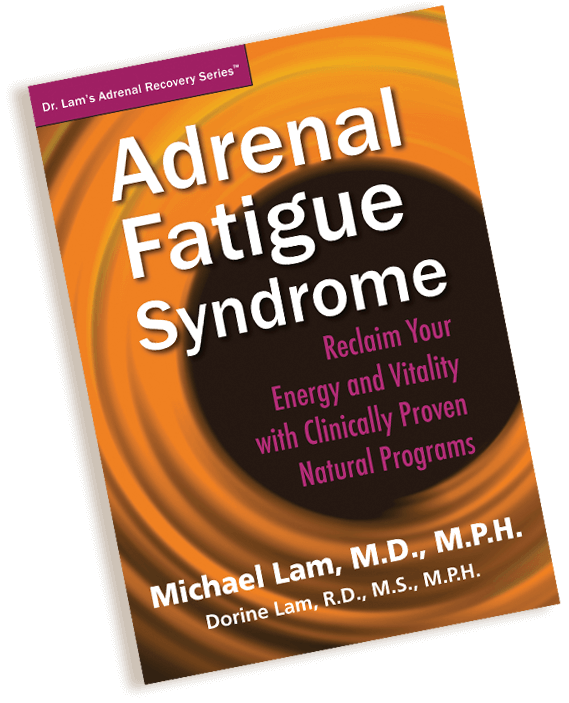
Dr. Lam Author of
|
|
|
|
Oral Health and Vitamin C
Michael Lam, MD, MPH
www.DrLam.com
Common unresolved dental problems include repaired but still toxic root canals, refractory periodontitis, tooth abscesses, decayed teeth, gingivitis, improperly extracted teeth with smoldering infections, leaking mercury fillings, and dental material sensitivity reactions in or around the oral cavity. If left untreated, these oral pathological conditions contribute to increasing systemic bacteria count and thus a higher toxin load in the body.
Research has shown that dental plaques can contain more than 400 species of bacteria, the differing strains of which are responsible for various types of oral disease. These bacteria produce toxins that irritate the gums and stimulate an inflammatory response. The body, especially the adrenal glands, responds by increasing production of cortisol in order to suppress the inflammation and keep the toxin rampage at bay. If not reduced over time, this chronic increased cortisol demand burden needed to overcome toxins may weaken the adrenals, leading to an adrenal fatigue.
Systemic illnesses and adrenal fatigue is commonly associated with frequent and repeated infections and slow healing. The immune weakness that results from altered adrenal function also sets the stage for pathogens responsible for oral pathology to foster unabated, resulting in greater debilitation.
It is not uncommon to find a sudden onset of adrenal crisis not long after dental procedure where large amounts of bacterial toxin may have been released. Similarly, significant improvement in overall health has been seen in patients with concurrent poor oral health when the oral pathology is resolved.
Periodontal disease also has a strong link to various kinds of autoimmune disorders, in which immune factors in the body attack the person's own cells and tissue -- in this case, those in the gum. The auto-immune function is again modulated to a large degree by cortisol, a product of the adrenals. The bacteria that form plaque and tartar release toxins that stimulate the immune system to overproduce powerful infection-fighting factors called cytokines. Cytokines are important for healing in moderate amounts. In excess, however, they can cause inflammation and severe destructive inflammatory reactions that require cortisol to balance.
Certain herpes viruses (herpes simplex and varicella-zoster virus, the cause of chickenpox and shingles) are known to be causes of gingivitis and may play a role in the onset or progression of some types of periodontal disease, including aggressive and severe chronic and refractory periodontal disease. A weak adrenal system exposes the body to be more prone to recurrent viral infections.
Periodontal diseases may exacerbate or even cause type 2 diabetes. People with periodontal diseases have 15 times the risk of developing diabetes in comparison to the non-diabetic population. Multiple pathways are involved. Some evidence has suggested that the bacteria causing periodontal disease may enter the blood stream and activate cytokines, the damaging factors in the immune system, which then may even destroy cells in the pancreas, where insulin is produced. In addition, toxin released by bacteria can weaken the adrenal glands, resulting in metabolic imbalance that can lead to Metabolic Syndrome, glucose intolerance, and diabetes.
Periodontal disease has also been linked to a 1.5 to 4 fold increased risk for heart disease, coronary artery occlusion, and stroke. The more severe the periodontal disease, the higher the risk. In one study, 85% of heart attack patients had periodontal disease in comparison to 29% of people with no heart problems. In another study of patients with hypertension, severe periodontal disease was associated with damage on the left side of the heart. In addition, high cholesterol blood levels have been associated with chronic periodontal disease. In addition to the inflammatory cascade as a prime mechanism of pathology, it is interesting to note that the coronary arteries are the first arteries to be exposed to toxins from the oral cavity after blood leaves the mouth (carrying toxins) and enters the heart through the venous system and exits the heart. A low intake of vitamin C has been associated with a higher risk of heart disease. Some ortho-molecular researchers now consider coronary artery disease synonymous with focal scurvy at the coronary arteries, and for good reasons. Vitamin C, along with lysine and proline, are key building blocks of collagen. Breakdown of collagen has been strongly linked to inflammatory response resulting in plaque accumulation and high LDL in the coronary arteries.
Lastly, it has been found that people who consumed less than the recommended daily allowance of vitamin C, 60 mg (about one orange), were one and a half times more likely to develop severe gingivitis than those who consumed more than 180 mg each day. While only 65 mg of vitamin C intake a day is all that is needed to prevent scurvy, this is hardly sufficient for optimal adrenal and oral health.
Those suffering from poor gum healing do well with high doses of vitamin C. Vitamin C promotes collagen synthesis and is a key factor in wound healing. It is also one of the best natural anti-toxins available. Vvitamin C is a wonderful electron donor because of its water-soluble properties and thus readily bio-available to the cells. Toxins deplete electron stores at the cell. Cell death occur when electrons are depleted. Having sufficient electrons inside the cell reverses potential cell death brought on by bacterial toxin prevalent in the oral pathological states.
Vitamin C comes in many forms. Each form of vitamin C has its own properties and characteristics. It is available in various oral delivery systems as well, from capsules, tablets, liquid, intravenous, powder, to effervescent forms. Absorption from the GI tract to the hepatic circulation varies from 5-18%. A bowl tolerance level is usually reached from 5,000- 10,000 mg, where harmless diarrhea occurs.
Because over 80% of ordinary oral vitamin C passes through the gastrointestinal track unabsorbed, ultimate bio-availability to the cell is severely limited. This has been a great challenge. The electron donation and thus toxin-reversal and anti-bacterial effect of vitamin C can only be relied upon when administered in very high doses. Up until recently, intravenous administration was the only option in delivering high doses of vitamin C to the cell. In the dental setting, IV vitamin C is administered by biologically oriented dentists prior to dental surgery as preventative anti-toxin. Such prophylactic dose ranges from 30 to 50 grams IV vitamin C slow infusion. This is a time consuming process and is expensive.
In recent years, the advance of nanotechnology and liposomal encapsulation technology offers a significantly enhanced oral liquid delivery system with superior absorption from the small intestine. This cutting edge liposomal delivery system dramatically improves bio-availability and is by far the best oral form of vitamin C delivery system available. Liposomal delivery system is ideally suited for the out-patient setting because high doses can be administered easily orally and inexpensively. Because absorption occurs at the small intestine and the stomach is bypassed, gastric irritation is minimal if any. Diarrhea is also significantly reduced because most is absorbed and does not remain in the GI tract.
Commercially available liposomal vitamin C, such as LipoNanoTM C, is a good choice. The dosage varies from person to person, but most do well with 3,000 to 6,000 mg a day for adrenal fatigue. When used in a minor surgical setting (such as a dental operation), a loading dose of 6,000 - 12,000 mg of such liposomal encapsulated vitamin C immediately before, followed by 4,000 - 8,000 mg a day for 10-14 days following such procedure is highly supportive of and can be used in conjunction with or in place of anti-biotic as indicated.
| Message from
Dr. Lam
I hope you have enjoyed reading this
article. If you have areas you don't understand, or if you have a specific health concern, feel free to write
to me by clicking here.
|
About The Author
Michael Lam, M.D., M.P.H., A.B.A.A.M. is a specialist in Preventive and Anti-Aging Medicine. He received his Bachelor of Science degree from Oregon State University, and his Doctor of Medicine degree from Loma Linda University School of Medicine, California. He also holds a Masters of Public Health degree and is Board Certification in Anti-aging Medicine by the American Board of Anti-Aging Medicine. He has authored numerous articles and the following books: The Five Proven Secrets to Longevity, How to Stay Young and Live Longer, Estrogen Dominance - Hormonal Imbalance of the 21st Century, and Beating Cancer with Natural Medicine.
For More Information
For the latest anti-aging related health issues, visit Dr. Lam
at www.DrLam.com. Feel free to email
Dr. Lam by clicking here if you have any questions.
Reprint Information
This article may, in its unabridged, unaltered form and in its entirety only,
be reprinted and republished without permission provided that it is for personal
and non commercial education use only and further provided that credit be given
to the author, with copyright notice and www.DrLam.com
clearly displayed as source. Written permission from Dr. Lam is required
for all other use.
© 1999-2009 Michael
Lam, M.D. All Rights Reserved.
|
|