My mission is to empower you to take control of your health. - Dr. Lam, MD

Home Library About Me supplements Ask Me
"Many thanks for your valued insight. I look forward to reading your contributions along the way!" ..More
books
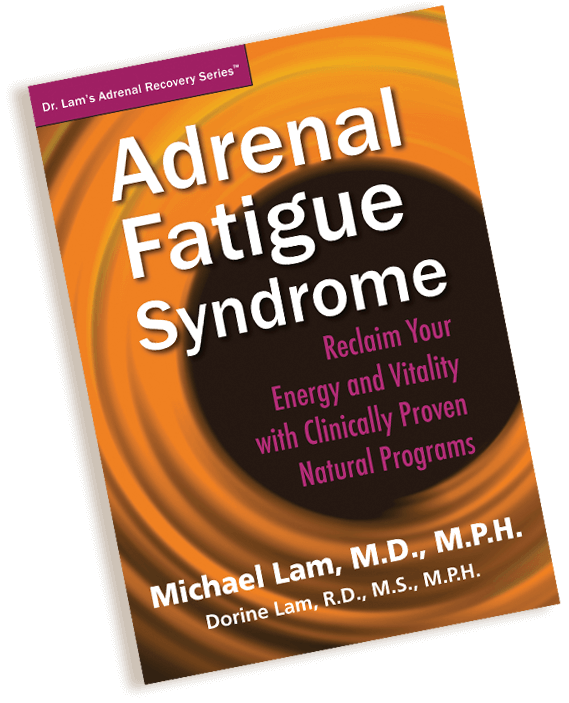
Dr. Lam Author of

Tools
Ask Me


Want to Live to 100?

Michael Lam, MD, MPH
www.DrLam.com

Do what the Centenarians Do

The Okinawans (in Japan) are well renowned for living the longest of all population groups. A 25 year longitudinal study by Drs Bradley Willcox, Craig Willcox, and Suzuki, in their book The Okinawa Way, tells us their characteristics:

  • Population with longest life expectancy in the world (average age 81.2). America is ranked number 18 (average age 76.8)
  • 5 times less coronary heart disease, 40% less cancer, 20% more strokes. Death from all causes is 35% less than North Americans. Average body mass index 18-22 (lean is under 23).
  • Cancer mortality is 97 per 100,000 (40% less than North Americans).
     
  •  Their risk of cardiovascular disease is 80% lower than that North Americans. They have one of the lowest homocysteine (under 8 umol/l) and cholesterol level in the world (under 180 mg/dl)
  • Males have 30% more hormones such as DHEA and testosterone at age 70 than North Americans do at the same age.
     
  • Free radical damage as measured by plasma lipid peroxide (a free radical by-product) at age 100 is half as much as that of a 70 year old in normal population.
     
  •  Calorie intake is 10-20% lower than the rest of Japan, who consume about 20% less than North Americans. Okinawans there eat 30-40% less than Westerners.

  • They follow a East-West Fusion type diet.
     
  •  Flvaonoid intake approximates 100 mg/day (8 times more than North Americans).
     
  •  Eat an average of 7 servings of fruits and vegetables a day, 7 servings of grains a day two servings of flavonoids-rich soy products a day; omega-3 rich fish 2-3 times a week; and minimal diary products and meat. Fat intake is limited to 30% of die; salt intake is less than 6 grams per day (3 teaspoons). Key foods: Turmeric, bitter melon, hechima, huchiba, sweet potato, jasmine tea, seaweed, garlic, ginger, onions, and tomato.
     
  •  Follows a consistent moderate exercise program with heavy emphasis on  martial arts.
     
  •  Have a strong social network.
    • Follows a consistent meditation and stress relief program.

    Summary:

    The Okinawan lifestyle is as close to the anti-aging lifestyle one can find being followed today by a large population group.

    To further improve and add years to their already long life expectancy based on current anti-aging research, the following should be considered:

    a. Attention to Strength Training as part of the exercise program.

    b. Nutritional Supplementation to fortify their cellular function

    c. Hormone replacement when necessary. They are dependent on the natural way of hormone enhancement through diet (such as soy).

    d. Eat more legumes and eggs as source of protein as compare to red meat and follow the anti-aging food pyramid.
     

    Related Links:

    Need to loose weight? Follow my Detox Diet Protocol to get started

    10 weeks to a younger you - follow my Anti-aging Protocol

    Learn about the 5 pillars of my Anti-aging Program

    Read my book -  5 Proven Secrets to Longevity


    Ask me for FREE!

    Free Newsletter

    Sign up for my newsletters:

    You can also CALL ME FOR FREE


    Follow Me On Twitter!
    Translate this page!

    English   French   German   Spain   Italian   Dutch   
    Russian   Portuguese   Japanese   Korean   Arabic   Chinese Simplified


    Michael Lam, MD, MPH, ABAAM
    Find out More


    Home     |      Library     |      Supplements      |      Site Map      |      Contact Us

    Reprint Permission

    Articles and My Opinions may be copied in its full and unabridged form for non-profit education use provided that
    all copyright, contact, and creation information is given, and the source clearly indicated as www.DrLam.com.
    Written permission is required for all other content and any other use, including but not limited to
    chat, email, private and public forums and private conversations and consultations.


    Disclaimer/Terms of Service | Privacy Statement

    Copyright 2001-2009 by Michael Lam, M.D.. All Rights Reserved.
    The contents of this website are primarily based upon the opinions of Dr. Lam, unless otherwise noted. Individual articles are based upon the opinions of the respective author, who retains copyright as marked. No doctor-patient relationship is established by your visit or participation in our website. No claim or opinion on these pages is intended to be, nor should be construed to be, medical advice. Please consult with a healthcare professional before starting any health program, especially if you are pregnant, nursing, taking medication, or have a medical condition. Statements in this website have not been evaluated by the Food and Drug Administration. Any products mentioned is not inteded to diagnose, treat, cure or prevent any disease.